
Buying secondhand clothes online is a little different from walking into a store. You cannot feel the fabric, try on three sizes, or hold a top up to the light before deciding. What you get instead is a much wider field of one-of-a-kind finds, often at prices that leave room for a little more personality in your closet.
The smart way to shop is not to treat every listing as a gamble. Treat it like a short conversation with the garment. Photos show you its shape. The description tells you what the seller noticed. Measurements and fabric tell you how it may behave once it is on. A clear return policy tells you what happens if something goes wrong. With that information, secondhand shopping online becomes far more relaxed, and much more fun.
1. Start with a real wardrobe need
It is easy to get distracted by a good price or an unusual print. Before browsing, name one or two things that would make getting dressed easier right now. Maybe you need a soft sweater for workdays, an easy going-out top, a denim layer, or a dress for an upcoming plan. A short list gives you a useful filter without taking the joy out of the hunt.
Then think in outfits, not isolated pieces. Can you picture two things you already own that would work with it? A bright tank may make sense if it works with your jeans and favorite skirt. A jacket may earn its place if it can go over dresses and casual basics. If the imagined outfit requires new shoes, new pants, and a whole different life, it is probably not the find for today.
Starting with a familiar category is especially helpful online. You already know whether you like a cropped cardigan, a fitted tank, or a relaxed button-up. Browse the tops collection or sweaters and knits with that knowledge in mind, and you will make faster, calmer decisions.
2. Read the whole listing before falling in love
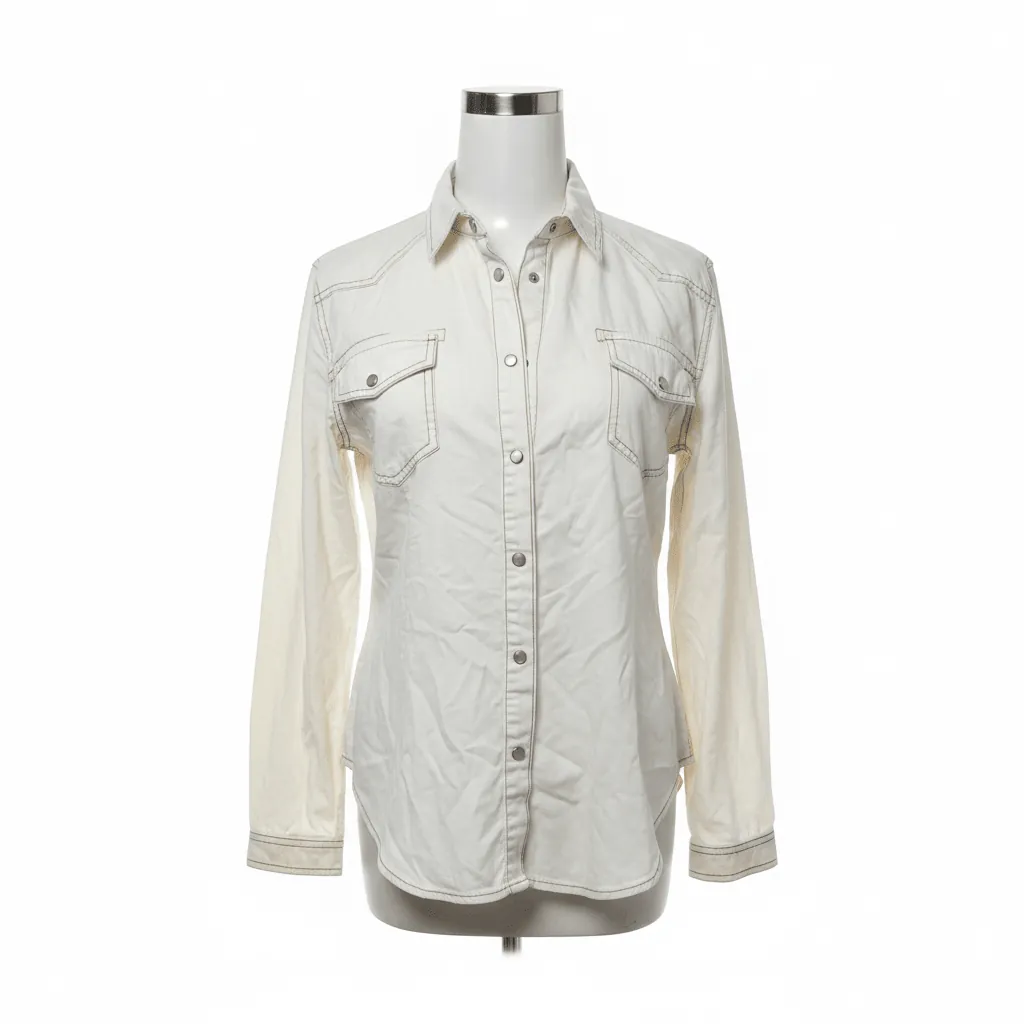
Photos make the first impression, but the written details do the important work. Check the title, size, brand, material if it is listed, and any notes on wear. A great secondhand listing does not need to make a garment sound perfect. It needs to make the garment clear. A small flaw is not automatically a dealbreaker, but it should be something you understand before you buy.
Pay attention to the terms used for condition. “Excellent” or “like new” usually suggests very little visible wear, while “good” can mean a piece is still wearable with more signs of use. The exact language varies by shop, so use the photos and description together. If the listing says pre-loved, expect a garment with a previous life. That is part of the value, not a hidden surprise.
For a special occasion piece, slow down one extra minute. Consider the fabric, whether it needs a particular bra or slip, and whether you will be comfortable moving around in it. The same goes for outerwear and denim, where structure and measurements matter more than a size tag alone.
3. Use photos like your fitting room
When you cannot touch a garment, the photos have to answer the questions your hands normally would. Look first at the full shape. Is the shoulder narrow or dropped? Does the waist look fitted, elastic, or loose? Is the hem cropped, tunic length, or long enough to tuck? These details are more useful than trying to judge fit from a label.
Next, zoom in. Look at the neckline, underarms, cuffs, hem, seams, buttons, zipper, and lining. These are the places where wear tends to show up first. Check whether the color looks consistent across photos. A small amount of pilling or a loose button can be easy to live with. A stain, worn-through spot, missing closure, or tear is different. Buy the piece you see, not the version you hope arrives.
Multiple angles matter too. A front-only photo can hide a low back, a side slit, a sheer panel, or a detail at the shoulder. Clear photos are a quiet sign that a seller wants you to know what you are getting. If an important angle is missing, it is reasonable to ask before checking out.
4. Make peace with the size tag, then look beyond it
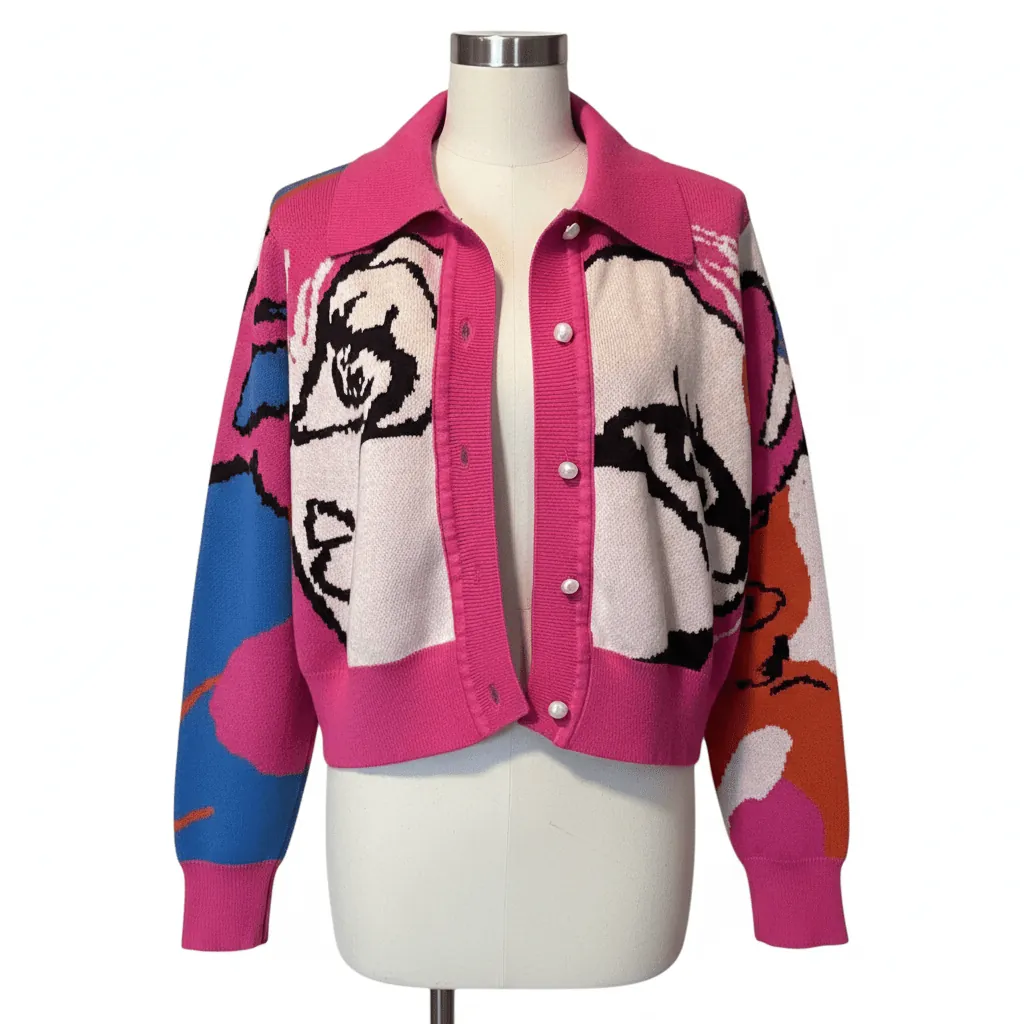
Size tags are useful, but they are not a promise. Brands fit differently, older pieces can run smaller or larger than current sizing, and a garment may have changed shape over time. The better comparison is a similar piece already in your closet. Lay it flat and note its chest width, waist, rise, inseam, shoulder width, or length, depending on the garment. Those familiar numbers make online listings much easier to read.
Fabric changes the answer as well. A ribbed knit with stretch may be more flexible through the chest than a woven blouse. A structured blazer needs enough shoulder room. A slip dress may have little give at the hips. If an item is described as oversized, ask yourself whether you like the relaxed look or whether you are hoping it will fit like a regular size. The words can mean different things on different bodies.
When the details do not add up, ask. A quick question about length, stretch, or a visible mark is better than convincing yourself it will probably be fine. It also keeps the purchase feeling intentional rather than rushed.
5. Check the shop before you check out
The garment matters, but so does the place selling it. Look for a shop that gives you clear product photos, a way to contact them, and straightforward information about shipping and returns. You should be able to understand the basic terms without hunting through a maze of tiny links.
For online purchases, use the shop’s normal checkout rather than sending payment through an unfamiliar method. Keep the order confirmation and read the return policy before you buy, especially when purchasing a one-of-one item. Secondhand pieces are often final sale because there is not another identical size to exchange, so clarity before checkout matters more than it does at a big retailer.
At Strut & Style, every piece is listed as one of one, and the frequently asked questions explain what to expect around condition, shipping, and returns. If you need a detail about a particular item, use the question link on the product page before deciding.
6. Count the full cost, not just the price tag
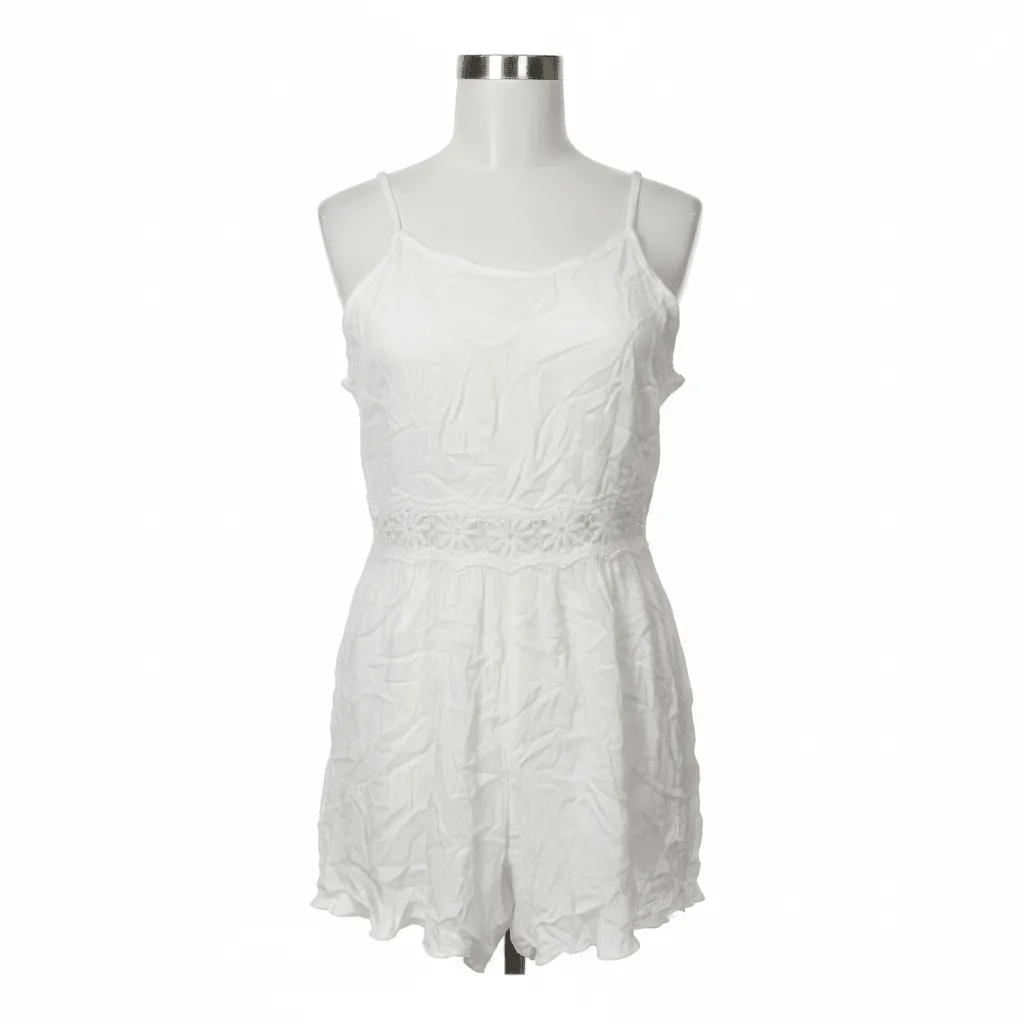
A lower listed price is one reason people love pre-loved clothing, but it is only one part of the decision. Before you buy, add shipping and think about anything the garment may need, such as a gentle wash, dry cleaning, a replacement button, or a quick hem. A small amount of care is normal, especially for a favorite find. A long list of repairs is usually a sign to keep browsing.
The best value is a piece you will wear. A $16 knit that works with half your closet can be a better buy than a $7 dress that stays in the back of a drawer. The under-$20 edit is a good place to experiment, but the same rule applies: choose something that feels useful enough to become a repeat outfit.
It also helps to remember that buying secondhand is not a reason to buy more than you need. The U.S. Environmental Protection Agency tracks textiles as a distinct material category in its materials and waste data. The most thoughtful choice is still the garment you will wear, care for, and enjoy for a long time.
7. Keep a short list and visit often
Secondhand shopping rewards patience because inventory changes constantly. A specific piece may be gone in an hour, while another version appears a week later. Instead of panic-buying the first close match, keep a short note of the colors, categories, and brands you enjoy. It turns browsing into a focused habit rather than an endless scroll.
Check new arrivals when you have a few minutes, and save the search terms that tend to work for you. If you know a favorite brand’s sizing, it can be a helpful starting point. If you are trying a new shape, choose an item that has some flexibility, such as a relaxed sweater, easy top, or dress with an adjustable waist.
Most importantly, leave space for a strong yes. One-of-a-kind shopping is exciting precisely because you will not see the same ten items everywhere. You do not need to claim every good thing you see. The goal is to find the few pieces that feel immediately at home in your wardrobe.
8. Give each find a simple care plan
Once a piece arrives, take a quiet minute to check it over before wearing it. Read the care label if there is one, empty the pockets, and decide whether it needs a gentle wash, a little steam, or professional cleaning. This is not about treating every secondhand purchase like a project. It is just a way to help a good find settle into your closet properly.
Different fabrics ask for different things. A cotton tee is usually easy. Delicate lace, wool, silk, leather, or a structured jacket may need more care. When you are unsure, choose the gentler option until you can check the garment’s label or care guidance. Drying heat can change the shape of some fabrics, so air drying is often the safer first move.
Small maintenance can make a piece feel personal very quickly. Replace a loose button, remove light pilling with a fabric comb, or have a simple hem adjusted if you know you will wear the garment often. Skip any fix that turns a good deal into a frustrating chore. The best secondhand purchase should add pleasure to your routine, not become another thing sitting on a to-do list.
How Strut & Style makes the search easier
A good online resale shop should make the fun part of secondhand shopping easier to reach. Strut & Style brings together a focused edit of pre-loved women’s clothing, so you can browse by category instead of starting with a floor of hundreds of racks. Clear product pages, one-of-one availability, and a direct way to ask about a specific piece help you make a choice with less guesswork.
Start with the full shop, browse dresses and jumpsuits when you want an outfit-maker, or see what has just landed in new arrivals. The right find does not need a complicated reason. It should simply feel like something you will be glad to wear again.
Frequently asked questions
How do I know if secondhand clothes will fit?
Start with a similar garment you already own and love. Compare its measurements, fabric, and overall shape with the listing, then ask for clarification before purchasing if a key detail is missing.
What condition issues should I look for online?
Read the listing and zoom in on the underarms, neckline, cuffs, hem, seams, closures, and lining. Small signs of wear can be manageable, but only buy an issue you are genuinely comfortable with.
Is it safe to buy pre-loved clothes online?
It can be, especially when a shop provides clear photos, an honest description, a secure checkout, and an easy way to ask questions. Read the shipping and return terms before you place an order.
What should I buy first when shopping secondhand online?
Choose a familiar category, such as a sweater, casual top, denim layer, or easy dress. You already know how that type of piece should fit and how it will work with the clothes you own.
Keep reading
Related posts

Thrift shopping
What Is Thrift Shopping? A Practical Beginner's Guide
Start with the basics, then learn how to spot finds you will actually wear.
Read the guide →
Thrift shopping
Thrift Shopping Tips: How to Find Clothes You Will Wear
Choose better pieces, check condition, and build outfits from a find you love.
Read the guide →