
Thrift shopping can sound like a hobby for people with endless patience, sharp elbows, and a supernatural ability to spot silk in a packed rack. It does not have to be any of that. At its core, thrift shopping means buying something that has had a previous owner instead of buying everything new. That can mean a donated sweater at a neighborhood thrift store, a dress at a consignment shop, or a one-of-one piece from a curated online closet.
The appeal is simple: you get more choices than a season's regular retail floor can offer, often at a friendlier price, and a good garment gets another chance to be useful. The trick is knowing what you are actually looking at. Once you understand the different kinds of secondhand stores and learn a few reliable checks, thrift shopping becomes less random and much more rewarding.
What thrift shopping really means
Thrift shopping is the practice of buying pre-owned items, usually through a store that collects, resells, or curates them. The word "thrift" originally points to being careful with resources, and that is still the practical idea. You are giving an existing piece a new role rather than assuming the next thing you need must be brand-new.
Not every secondhand store works the same way. Many traditional thrift stores receive donated clothing and goods, then sort them for resale. Independent stores may use their own approach to sourcing and pricing. A consignment store generally sells on behalf of an individual and shares the sale after an item sells. A curated resale boutique selects a smaller group of pieces around a style point of view, condition standard, or customer need.
For a shopper, the difference matters because it shapes the experience. A large donation-driven store can reward a long browse and an open mind. A consignment store may have more recognizable labels or higher price points. A curated shop such as Strut & Style's online thrift store gives you a more focused place to look when you want the charm of pre-loved clothing without beginning from a rack of hundreds.
Why people choose pre-loved clothes
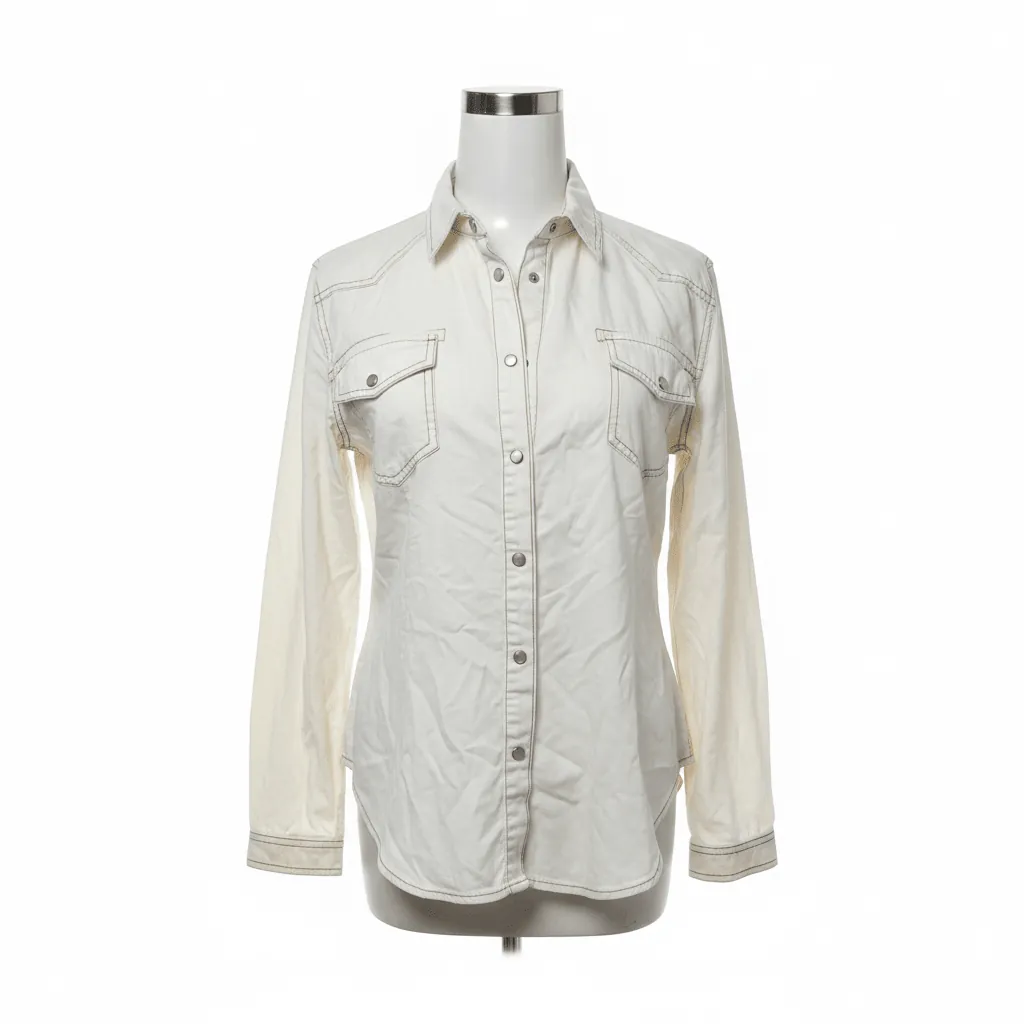
People thrift for plenty of reasons, and most of them have nothing to do with chasing a perfect vintage moment. Some want to stretch a clothing budget. Some are tired of seeing the same things everywhere. Some like the idea of finding a jacket, dress, or knit with more personality than a new seasonal display. Often, it is a combination: a piece feels more interesting because it is both a good value and harder to duplicate.
There is also a practical use-and-reuse angle. The U.S. Environmental Protection Agency tracks textiles as a distinct material category, a useful reminder that clothing does not become meaningless just because it is no longer new. Buying something that you will genuinely wear is a more grounded choice than buying a bargain that stays untouched in a closet.
That is why thrift shopping works best when you skip the pressure to find a miracle. You do not need the rarest label, the lowest tag, or a cart full of "maybe." You need a piece that fits, feels good, and can do some work in your wardrobe. A simple under-$20 find you wear all season is often a better score than a trendy item that never makes it outside.
What you can expect in a thrift store
A regular clothing store is built around predictability. There may be six sizes of the same top, a matching display, and a restock waiting in the back. Thrift shopping is built around variation. Most garments are one of one, so the selection depends on what has come in recently, what has passed inspection, and what other shoppers have not already taken home.
That can feel chaotic at first, but it is also the fun part. You are not meant to scan every single hanger with equal energy. Start with a section you know you need. If you wear sweaters all fall, begin with sweaters and knits. If you have plans coming up, look at dresses. If your wardrobe is solid but a little flat, try a jacket or one interesting top. Shopping by category gives your eye something to do besides panic-buying the first cute thing you see.
Expect size tags to be imperfect. Brands use different measurements, older pieces may fit differently, and an intentionally oversized cut can look completely wrong on a hanger but great once you try it. Think of the size tag as a clue, not a final answer. The fabric, cut, and how a garment sits on your body will tell you much more.
How to decide whether a find is worth buying
Thrift shopping gets easier when you give yourself a short decision process. First, look at the fabric. Does it feel comfortable and sturdy enough for the way you plan to wear it? Then check the high-use areas: underarms, neckline, cuffs, hems, seams, closures, and the inside lining of jackets or bags. A loose button or a little pilling can be an easy fix. Deep stains, a broken zipper, worn-through fabric, or an issue you know you will not repair are a different story.
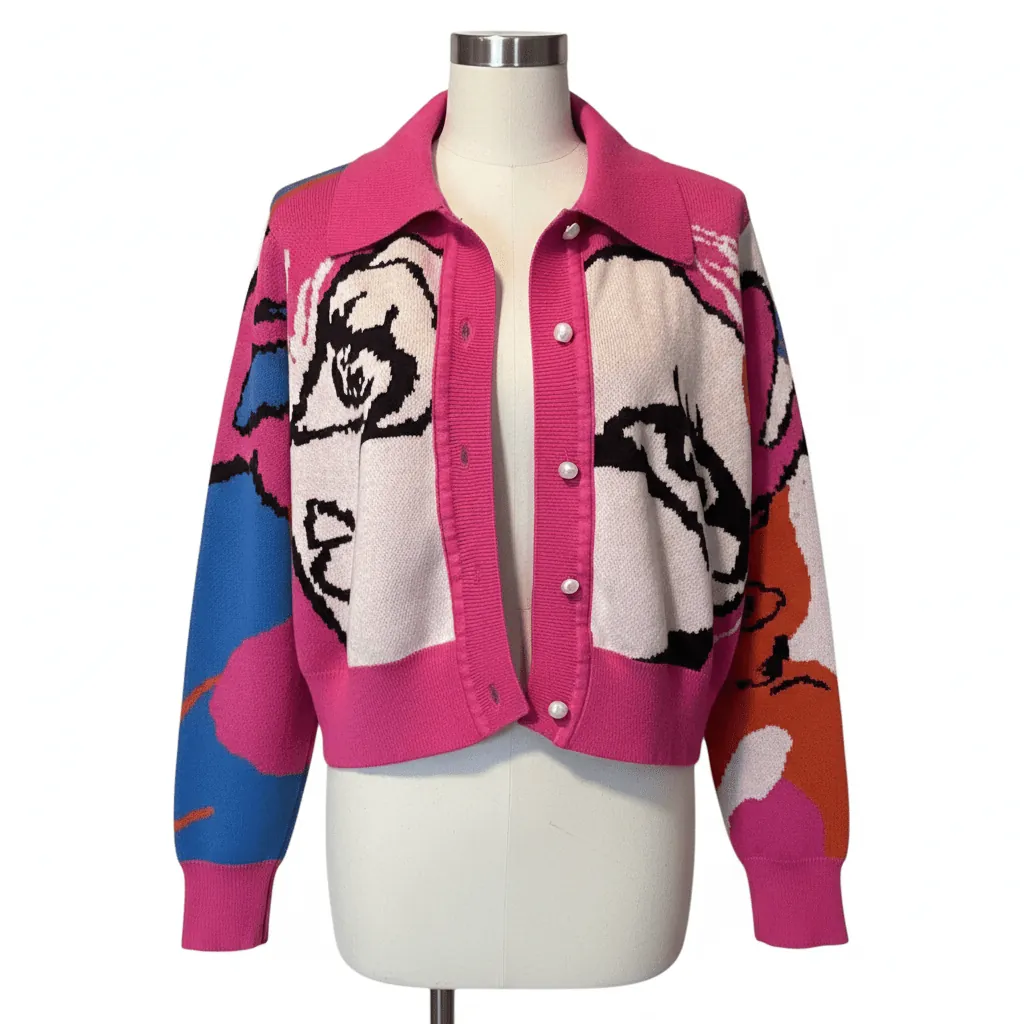
Next, ask the outfit question: can you name two things you would wear with it? A good thrifted piece usually connects to clothes you already reach for. A denim layer may work over a dress, with black pants, or with a plain tee. A colorful knit may make jeans feel less basic. A going-out top may work with the same black skirt you wear every other weekend. If every imagined outfit requires new shoes, tailoring, and a future version of your life, put it back.
Finally, be realistic about price. Lower is nice, but price only makes sense alongside condition and use. A $10 top that feels itchy or needs a repair you will not make is not really a bargain. A $23 cardigan that fills an actual gap in your closet may be. This is the little bit of restraint that turns a fun browse into a wardrobe you actually enjoy.
What thrift shopping is not
Thrift shopping is not the same as buying something only because it is cheap. A lower price can make experimenting easier, but it does not turn every purchase into a good idea. The best finds are still the ones you can picture wearing, caring for, and reaching for again. Treat the price tag as one part of the decision, not the entire reason to bring something home.
It is also not a test of how much you know about labels. Recognizing a brand can be useful, especially when you already know its fit or fabric quality, but it is never a substitute for looking closely. A lesser-known piece can be beautifully made and perfect for your life. A familiar label can still be worn out, uncomfortable, or simply not your style. Start with the garment in front of you.
And it does not have to mean buying vintage. Vintage usually refers to older clothing from a particular era, while thrift shopping can include clothes that were made last year, ten years ago, or much earlier. Some shoppers love the hunt for a true older piece. Others want an easy modern layer for their weekday rotation. Both belong in the same broad world of giving good clothes another life.
How to start thrift shopping without getting overwhelmed
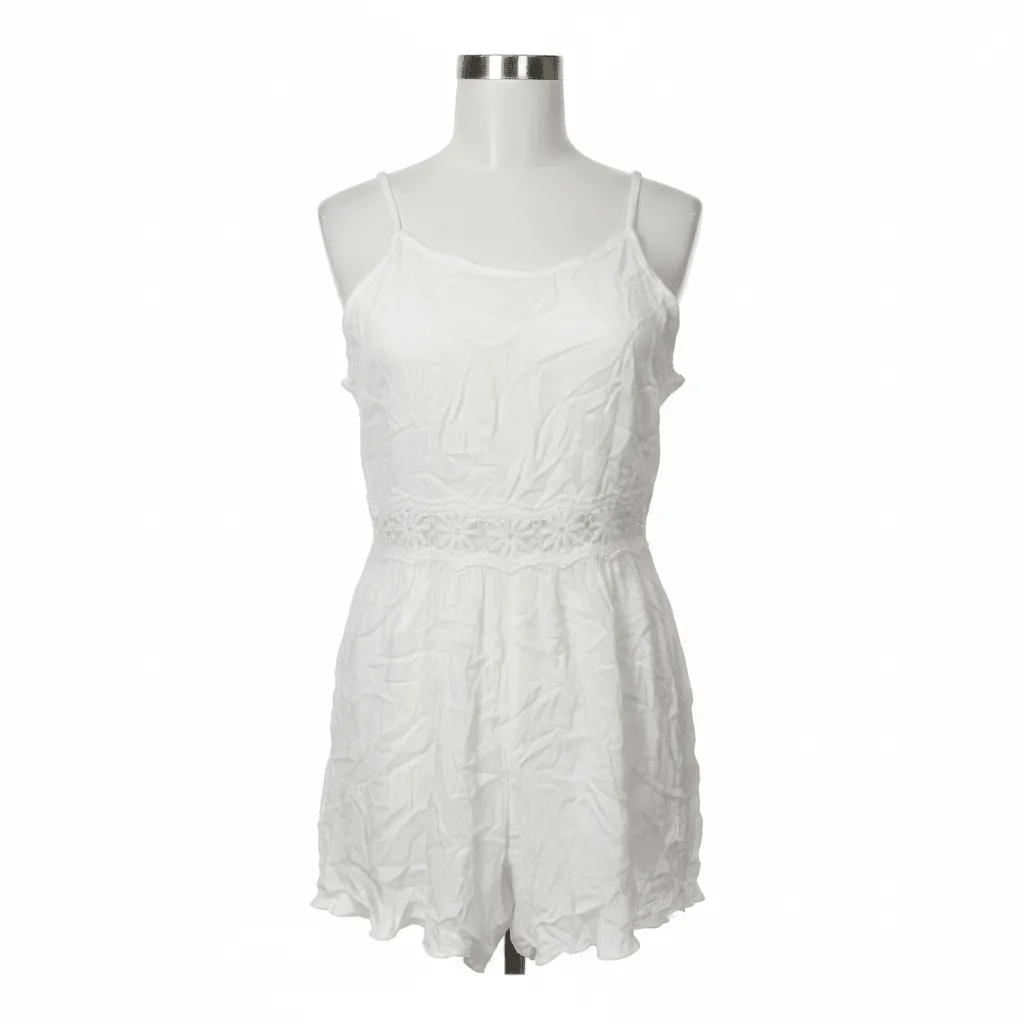
For your first few thrift trips, give yourself one small mission. Look for a light jacket, one casual top, a pair of shorts, or a dress. A defined mission makes it easier to learn what good quality and good fit look like for you. You can always wander into other sections once you have checked the thing you came for.
Wear something easy to change in and out of if you are shopping in person, and keep your list short. Take a few pieces to the fitting room instead of twenty. Move around in them. Lift your arms. Sit down. Check the shoulder line and waist. The right piece should make you feel more comfortable in your skin, not more aware of everything it is asking you to adjust.
Shopping online follows the same logic, just with different details. Read the listing, look at every photo, and ask a question when you are unsure. Strut & Style's pre-owned women's clothing guide explains what to check before buying online, while the frequently asked questions cover shipping, condition, and returns. When the details are clear, buying a one-of-one piece feels a lot less like a guess.
Thrift shopping is not about buying more
There is a tempting myth that a successful thrift trip ends with the largest haul. Usually, the better trip is the one where you leave with one or two pieces that earn their place. Secondhand shopping offers a lot of visual noise, which makes selectivity a real skill. Leave room for a strong yes by saying no to the things that are only interesting for five minutes.
That approach also makes personal style easier to see. When you repeatedly choose pieces that work with your real routines, favorite colors, and existing basics, your closet starts to feel more like you. You do not need a dramatic transformation. You need clothes that make getting dressed on an ordinary Tuesday a little more enjoyable.
For a practical next step, browse the latest new arrivals, explore the boutique's Style Edits by mood, or read thrift shopping tips for choosing clothes you will wear. Each route gives you a different starting point, but the goal is the same: buy less at random, and make more of the good pieces that already exist.
How Strut & Style makes the search simpler
Some days you have time for the full treasure hunt. Other days, you want a smaller, clearer edit. Strut & Style brings together one-of-one pre-loved women's clothing chosen for everyday wear, so you can browse a focused collection instead of an entire floor. Start with the full closet, look through dresses and jumpsuits, or see what is newly in the mix.
There is no need to build a whole wardrobe in one visit. Find the piece that feels like an easy yes, give it a fresh start, and let it become part of the way you already dress. That is thrift shopping at its best.
Frequently asked questions
What is thrift shopping?
Thrift shopping means buying pre-owned goods, usually clothing, accessories, home goods, or books, instead of buying every item new. Some stores sell donated goods, while others use consignment or a curated resale model.
What is the difference between thrifting and buying secondhand?
In everyday conversation, the terms are often used interchangeably. Thrifting usually describes shopping at a thrift store, while secondhand or pre-owned can describe any item that had a previous owner, including an online resale listing or consignment boutique.
Is thrift shopping cheaper than buying new clothes?
It can be, but the best value is not always the lowest price. Condition, fabric, fit, and how often you will wear a piece matter more than getting the smallest number on the tag.
What should a first-time thrift shopper buy?
Start with an easy category you already wear, such as a sweater, denim layer, casual top, or dress. A familiar type of piece makes it easier to assess fit and gives you a realistic chance of wearing your find soon.
Keep reading
Related posts

Thrift shopping
How Do Thrift Shops Work? A Beginner's Guide
See how pre-loved clothes move from donation or sourcing to the rack.
Read the guide →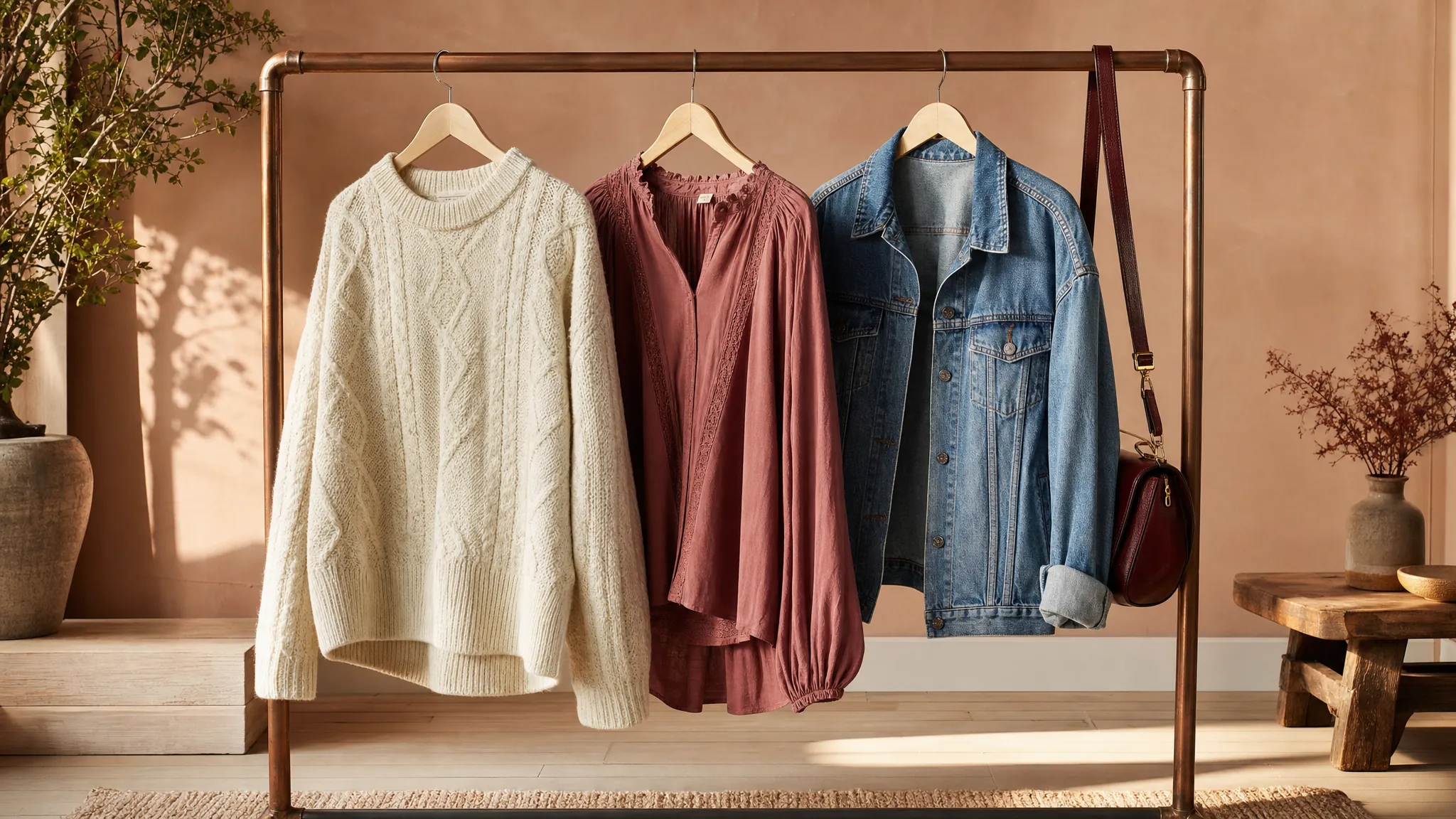
Thrift shopping
Thrift Shopping Tips: How to Find Clothes You Will Wear
Choose better pieces, check condition, and build outfits from a find you love.
Read the guide →