
For a first-time shopper, a thrift store can feel wonderfully chaotic. There are racks to scan, sizes that do not always line up with what you wear elsewhere, and one-of-one pieces that may be gone by tomorrow. That is part of the fun, but it can also make the whole process feel less clear than walking into a regular store.
Most thrift shops have a simple job: give usable things another chance to be useful. The details change from store to store, but the path usually looks something like this: clothing comes in, someone decides what can be resold, pieces are sorted and priced, then shoppers give them a new home. Understanding that path makes it easier to shop patiently, spot value, and leave with something you will actually wear.
1. Clothes arrive through donations, sellers, or a curated buyer
Not every pre-loved shop gets inventory the same way. Many community thrift stores receive donations from people clearing closets or passing along items they no longer need. Organizations such as Goodwill explain that donated goods can help fund local community programs, while other stores are independently owned and operate as regular resale businesses.
Consignment stores work differently. Instead of receiving a donation, the store accepts a piece from a seller and pays that seller a share only after it sells. Curated resale boutiques take another approach: someone chooses the inventory in advance, often around a particular size range, style point of view, price range, or condition standard. That is why a curated online closet can feel more focused than a large donation-driven floor.
The best question is not “Where did this come from?” as much as “Is this a piece I can see myself wearing?” Still, knowing the store model helps set expectations. A donation-based shop may reward a longer browse. A consignment shop may have more recognizable labels. A small edit like Strut & Style’s online thrift store makes it easier to browse a tighter collection of pieces selected for everyday wear.
2. Staff sort for condition, category, and sale potential
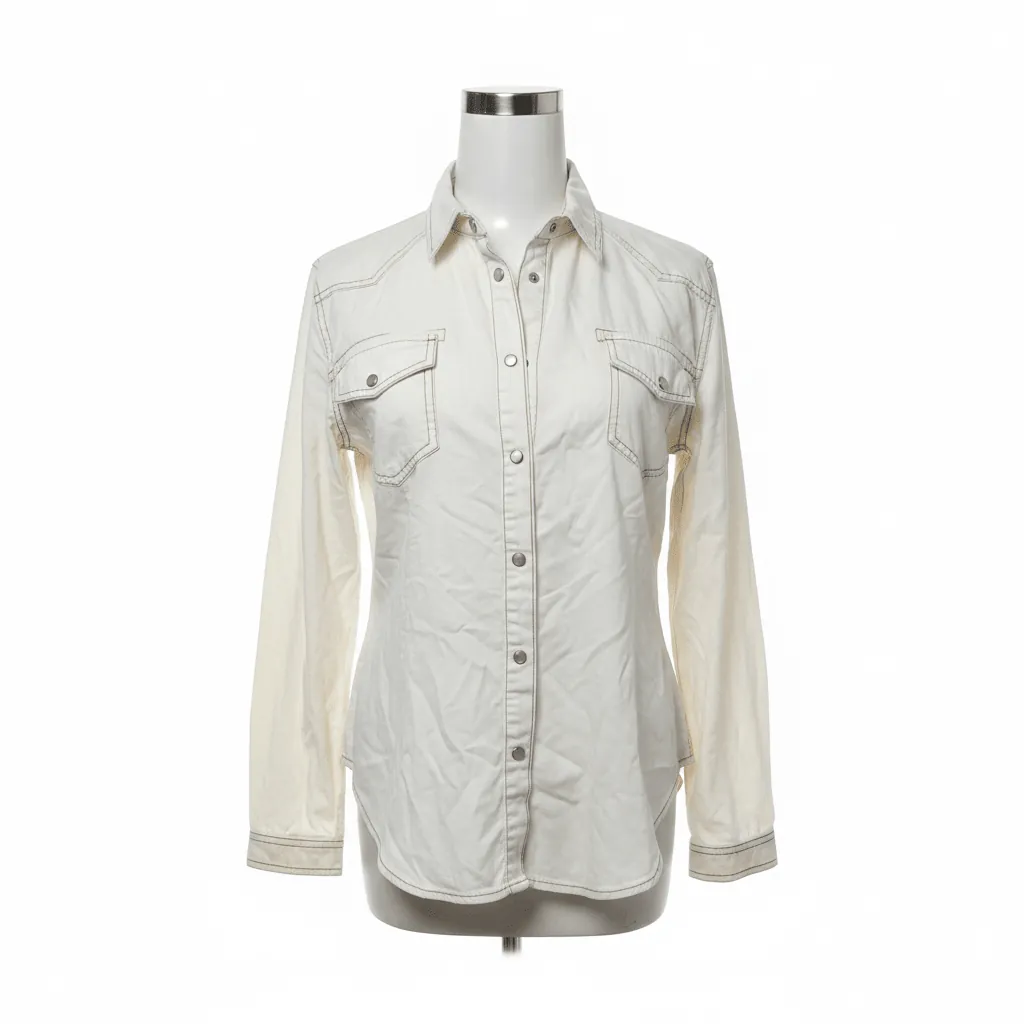
When clothes come into a shop, they do not all go straight onto the floor. Someone has to decide what is clean enough, wearable enough, and worth the space on a rack. Stores may sort by category first, such as tops, sweaters, dresses, outerwear, or accessories. They may also separate items by season, size, fabric, color, or condition.
That screening step matters because pre-loved is not the same thing as careless. A loose button may be an easy fix. A beautiful wool sweater with a small amount of pilling may still have years of wear left. But stretched-out elastic, deep stains, odors, broken zippers, or fabric that has thinned in high-friction spots can make an item less practical. Different shops draw the line in different places.
Shoppers can use that same lens. Start with the places that work hardest: the underarms, neckline, cuffs, seams, hem, closures, and the inside of a bag or jacket. Take a moment to feel the fabric. If you are shopping online, review every photo and the listing description, then ask a question before purchasing if you are unsure about a specific piece.
Clothing reuse keeps garments in use before they become part of the waste stream. The U.S. Environmental Protection Agency notes that textile reuse happens before end-of-life waste is counted, which is a useful reminder that a good purchase does not need to be brand-new to have a real place in your wardrobe.
3. Pieces are priced for more than the label
It is easy to assume thrift pricing is random, especially when one item costs a few dollars and another costs much more. In practice, price can reflect condition, fabric, current season, original quality, demand, the work needed to process the piece, and whether the item is unusual enough to be hard to replace.
A strong price is not automatically the lowest price. A $12 sweater you can wear twice a week is usually a better buy than a $5 top that pinches, pills immediately, or never leaves the back of your closet. The same goes for a jacket with a solid lining, a dress that fits without a complicated alteration, or denim that still has good structure through the seat and inner thigh.
Give yourself a simple test before you buy: can you name two outfits you would wear with it in the next month? If you can, and the condition makes sense for the price, you may have found real value. If the answer relies on a fantasy event, a future body, or a repair you know you will never tackle, it is fine to leave it behind.
4. The sales floor is edited, but it is never predictable
Traditional retail is designed around repeatable inventory. A brand orders many units of the same shirt, sends them to stores, and restocks when it can. Thrift shops cannot work that way. Most pieces are one of one, so the floor reflects what has arrived recently and what has made it through sorting.
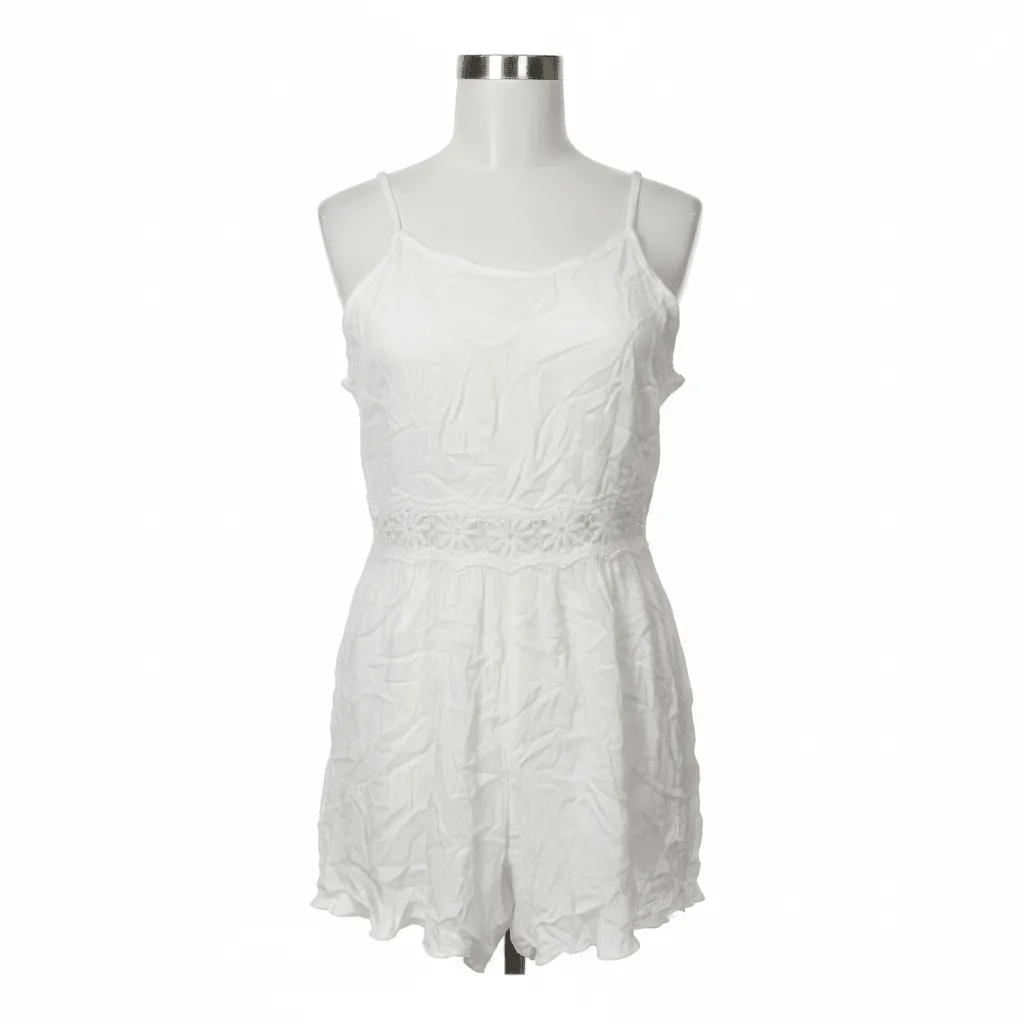
That unpredictability creates two truths at once. First, you might find a piece that feels far more personal than anything in a mall. Second, you may not find the exact item you hoped for that day. Good thrifting gets easier when you shop for a category or feeling instead of a hyper-specific product. Look for a soft neutral knit, a useful outer layer, a going-out top, or a pair of easy shorts, then stay open to the version that suits you best.
This is also why a second visit can be worthwhile. Inventory changes quickly, and a store that felt picked over last week may have something perfect today. Online, you can get a similar advantage by checking new arrivals regularly or browsing finds under $20 when you want room to try a new shape or color without overthinking it.
Some larger thrift organizations make it easy to locate a nearby donation center or store, but the selection will still vary location to location. Use a local donation and retail locator when it is useful, then give yourself enough time to browse rather than treating the first rack as the whole store.
5. Shopping well means editing as you go
The biggest thrift-shopping skill is not finding the most pieces. It is learning what to put back. Start with a short wish list based on the gaps in your actual wardrobe. You might need an everyday layer, a work-friendly top, a dress for late-summer plans, or a better version of a basic you already wear out.
Then look for fit potential. Size tags can be inconsistent across brands and eras, so pay attention to the cut, fabric stretch, and measurements when they are available. Try the garment on if you can. Move your arms, sit down, look at the shoulders and waist, and picture it with shoes you already own. A piece does not need to be perfect on the hanger, but it should have a believable path into your life.
Keep your cart or armful small enough to think clearly. Pull a few options, compare them, and choose the one with the clearest outfit story. You can use the same approach with a curated closet: browse by category, then narrow your attention to pieces that work with the clothes you already reach for. The Style Edits page is a useful place to start when you want to shop by mood instead of by a single item.
6. Bring every find home with a fresh-start plan
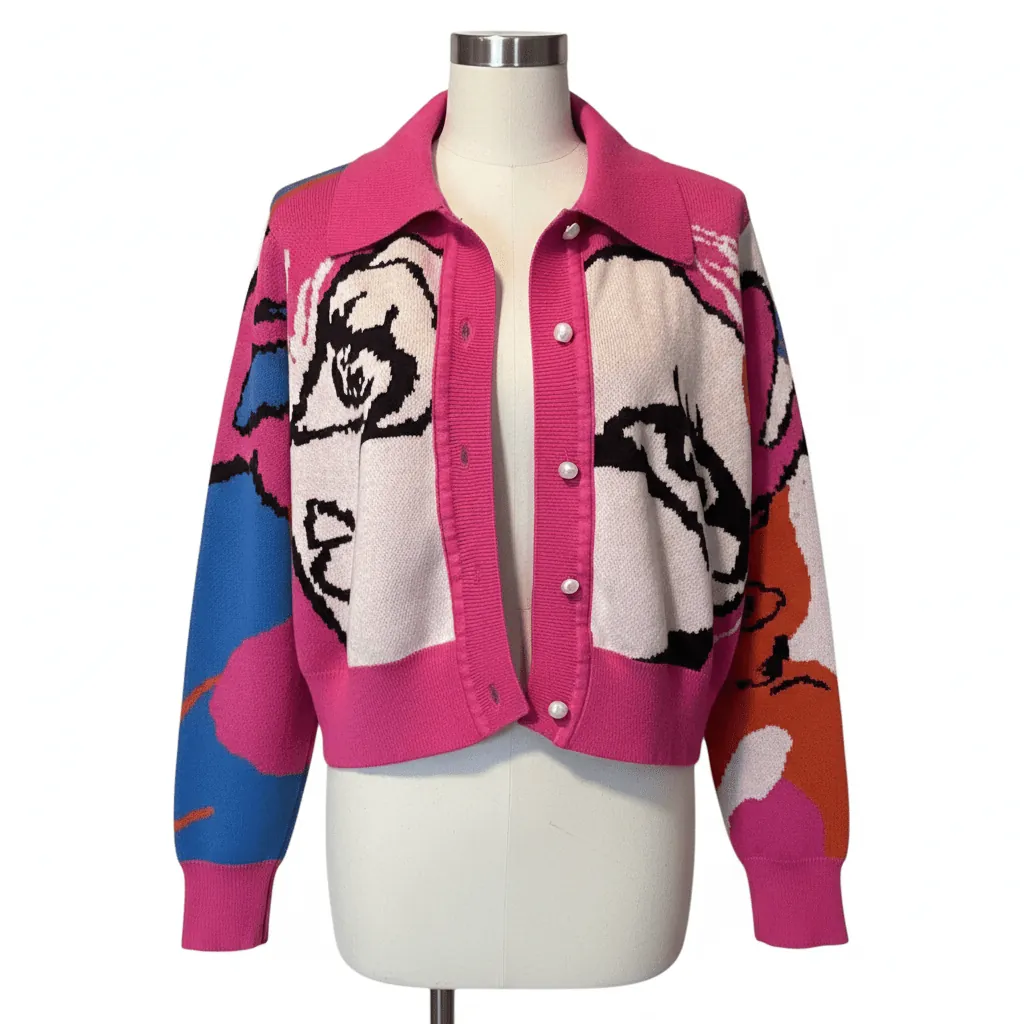
Even when an item looks clean, it is smart to give it the right care before it joins your regular rotation. Read the garment label if it is still there. Basic cotton and many synthetic blends can often be washed gently, but leather, wool, silk, structured jackets, and older pieces may need spot cleaning, hand washing, or professional care.
Use this moment to handle small fixes too. Tighten a button, remove a little pilling, replace a missing hook, or steam out a crease before putting the piece away. Those small steps make it more likely that you will wear the item immediately instead of turning it into a someday project.
Care is part of why thrift shopping works. A shirt, cardigan, or dress gets another chapter only when someone is willing to use it. The EPA’s textile materials data puts that bigger picture in context, but the personal version is simple: a garment that fits your life is more likely to stay in use.
How Strut & Style makes the process simpler
Thrift stores are fun when you have time for the hunt. Other days, you may want a smaller starting point. Strut & Style gathers one-of-one pre-loved women’s pieces into a focused online closet, so you can browse by category, see clear photos, and choose something that fits your style without sorting through an entire floor.
Start with the full shop, check out new arrivals, or use the frequently asked questions when you want a clearer picture of condition, sizing, shipping, or returns. Once you understand how thrift shops work, the only job left is finding the piece that earns its spot in your closet.
Frequently asked questions
Where do thrift shops get their clothes?
Many thrift shops receive clothing through local donations, while consignment stores buy or accept items from individual sellers. Curated online resale shops source and select their own inventory. The mix varies by business, which is why one store can feel very different from the next.
Do thrift shops wash clothes before selling them?
Policies vary. A store may inspect, sort, steam, clean, or prepare some items, but you should always plan to wash or clean a pre-loved piece according to its care needs before wearing it. Delicate, leather, vintage, and structured garments may need a gentler approach than a basic cotton tee.
Why are some thrift store prices higher than others?
Price reflects more than a brand label. Condition, fabric, season, rarity, demand, cleaning, repair, and how much work went into sorting a piece can all affect the price. A higher price is worth considering when the item is in strong condition and solves a real wardrobe need.
What is the difference between a thrift store and a consignment store?
A thrift store commonly sells donated goods, while a consignment store generally sells on behalf of the person who supplied the item and shares the sale proceeds. A curated resale boutique can sit somewhere in between, with a smaller edit selected around style, condition, or a specific customer.
Keep reading
Related posts

Thrift shopping
What Is Thrift Shopping? A Practical Beginner's Guide
Start with the basics, then learn how to spot finds you will actually wear.
Read the guide →
Thrift shopping
Thrift Shopping Tips: How to Find Clothes You Will Wear
Choose better pieces, check condition, and build outfits from a find you love.
Read the guide →