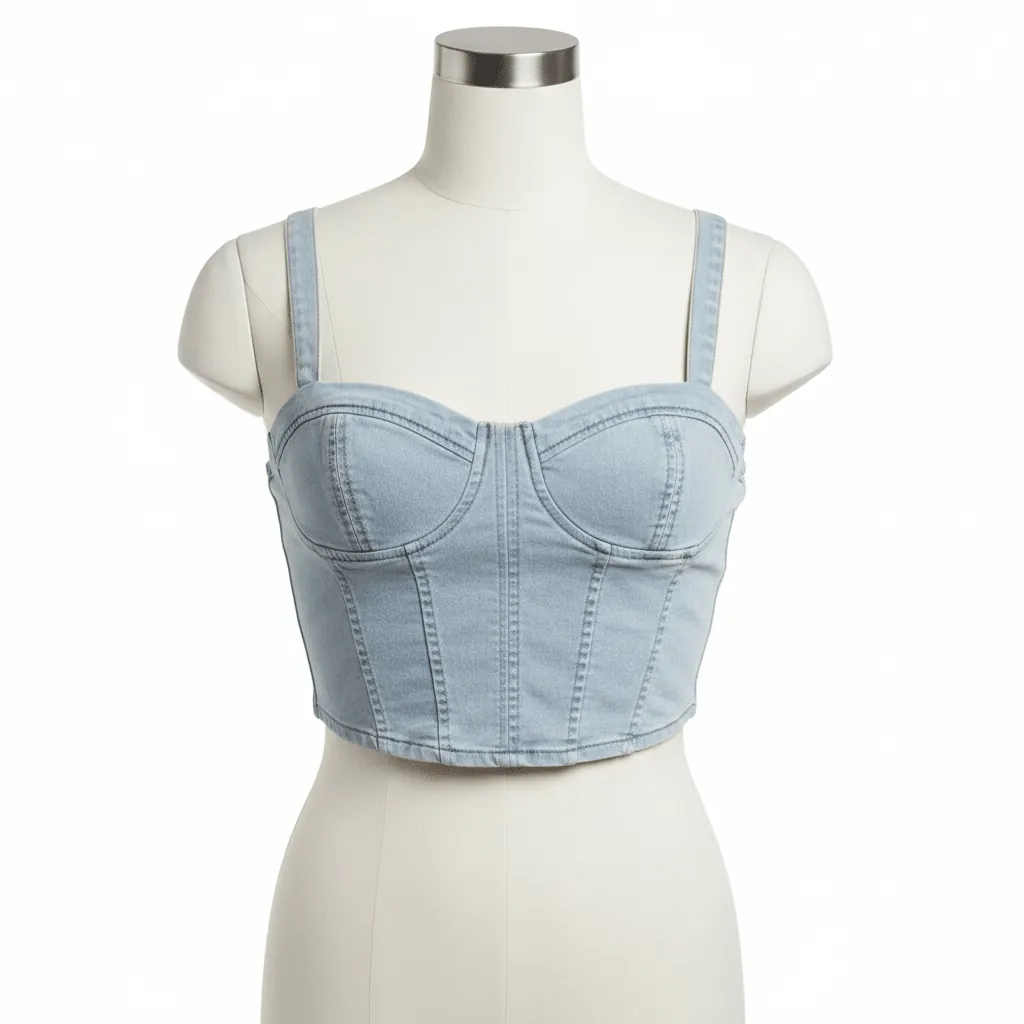
Shopping one-of-one clothing online is exciting until a size label makes you pause. A medium from one brand can fit like a small from another. Vintage pieces, altered pieces, and older styles can be even less predictable. That is why garment measurements are so useful. They give you something more solid than the number on a tag.
Armpit to armpit is one of the simplest measurements to understand. It is not a promise that every top will fit the same way. It is a practical comparison tool. Once you know how to use it, you can compare a listing to a shirt, sweater, jacket, or dress already in your closet and make a calmer decision before checkout.
What an armpit-to-armpit measurement tells you
Armpit to armpit, often shortened to pit to pit, measures straight across the front of a garment from one underarm seam to the other while it lies flat. On a tee, blouse, sweater, jacket, or dress, it gives you a quick picture of the room through the chest and upper body. Sellers may call it chest width, bust width, or half chest. The idea is the same: it is a flat garment measurement.
It is different from measuring around your own bust. A flat width of 20 inches is not a 20-inch body measurement. You can double it for a rough full garment circumference, but a direct garment-to-garment comparison is usually more reliable. A favorite top has already told you what feels comfortable on your body. Let it be your starting point.
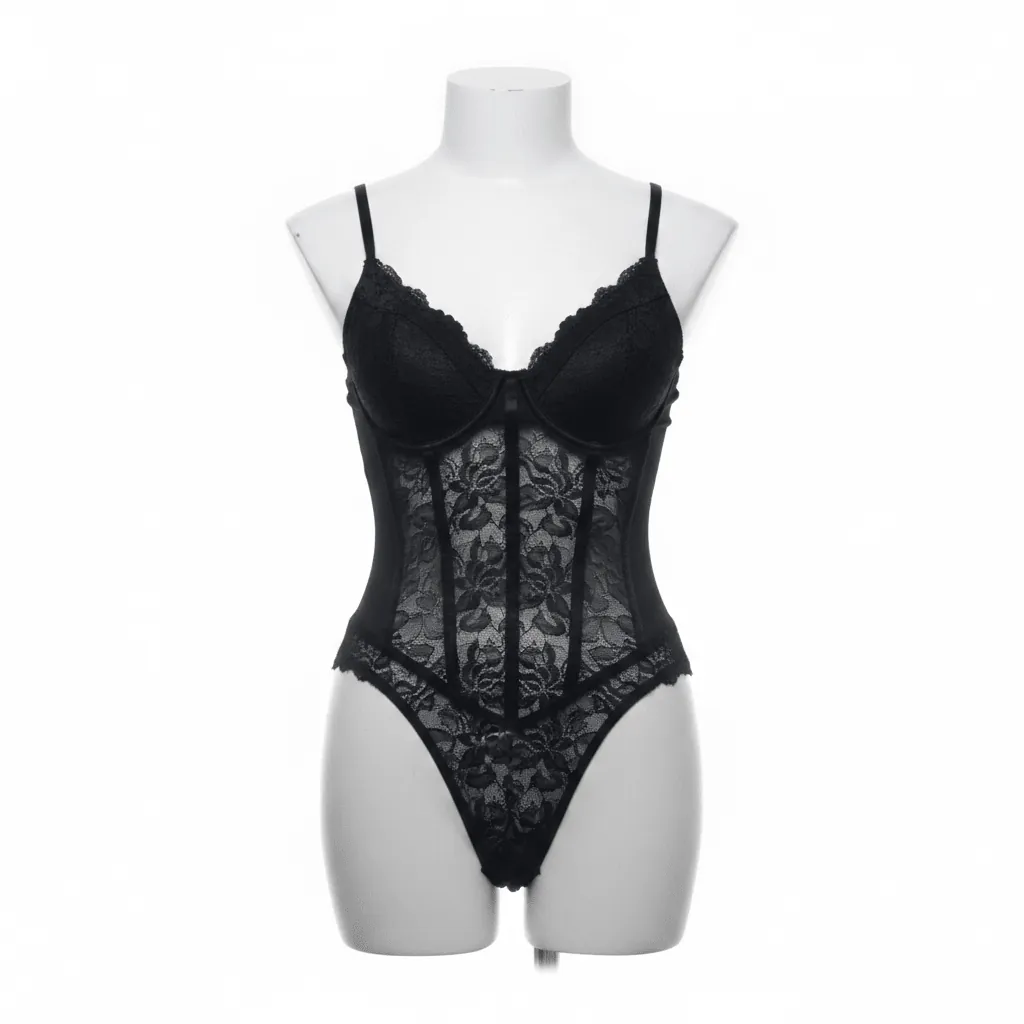
How to measure a garment you already love
Pick a top, dress, or jacket that fits the way you want the new piece to fit. Lay it flat on a smooth surface and gently straighten it. Do not pull the fabric wide or let it curl under. Measure from the point where one underarm seam meets the body of the garment straight across to the matching point on the other side. Keep the tape level rather than following a curved neckline or the shape of the sleeve.
Write down the number and the garment type. A favorite fitted tank is a useful reference for another fitted tank, while a roomy sweater is a better reference for a sweater. Comparing a cropped tee with an oversized cardigan will not tell you much, even when both say medium. Shape and intended fit matter as much as the number.
If you do not have a soft measuring tape, use a piece of string, ribbon, or charging cable to mark the width, then measure that length with a ruler. The goal is not laboratory precision. You are looking for a sensible comparison that helps you avoid a piece that is clearly much smaller or larger than your comfort zone.
Read the number with the fabric in mind
Two garments can share the same pit-to-pit measurement and wear completely differently. A ribbed knit can stretch and settle close to the body. A woven cotton blouse may have almost no give. A lined jacket needs room for movement and possibly a layer underneath. Before treating a number as a yes or no, look at the fabric, the cut, the closure, and the photos.
For a pullover sweater, think about whether you like the shoulders close or relaxed. For a button-front shirt, remember that the bust has to sit comfortably even when you move your arms. For a dress, check whether the waist is fitted and whether the skirt has room through the hips. A garment with stretch may flex around you, but a garment with no stretch needs enough room from the start.
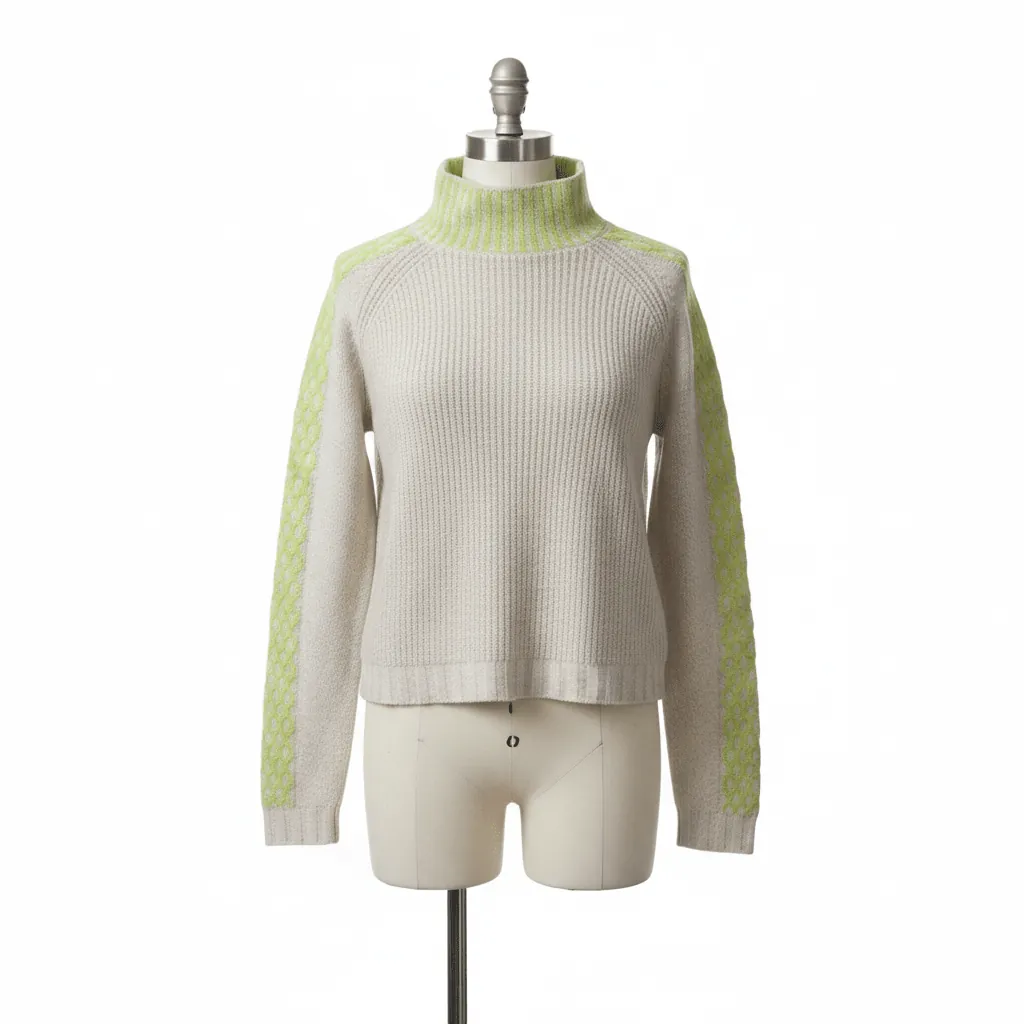
Use the rest of the listing to complete the picture
Armpit to armpit is powerful, but it is one part of a fit check. For tops and jackets, look for shoulder width, sleeve length, and overall length. For dresses, look for length, waist, and hip measurements when available. For pants and skirts, waist, rise, hip, and inseam are the useful numbers. The more fitted the silhouette, the more helpful it is to compare more than one point.
Photos add context that a number cannot. Notice where a hem lands, whether a shoulder seam sits high or low, and whether fabric drapes or holds a firm shape. Product photos and condition notes help you shop with fewer surprises, which is why the best secondhand listings pair clear pictures with practical details.
When a listing has only a tagged size, use it as a clue, not a verdict. Brand sizing changes over time, and secondhand clothing may have been washed, tailored, or worn in. If you are between sizes, a measurement and a quick comparison to your own closet are more useful than trying to remember what a label meant in another store.
Common mistakes that make the comparison less useful
The first mistake is measuring your body, then comparing it directly with a flat garment width. You can make the math work by doubling the flat number, but it leaves out ease, fabric thickness, and how you prefer to wear a piece. Comparing one flat garment to another avoids most of that confusion.
The second mistake is stretching a knit while measuring. Let the garment rest naturally. You can note that a fabric looks stretchy, but measuring it pulled wide creates a number that will not describe how it sits when unworn. The same goes for measuring across a garment that is bunched or partly folded.
The third mistake is using only the chest width. A roomy chest does not guarantee a comfortable sleeve, shoulder, waist, or length. Take a moment to picture the whole piece. That extra minute is especially valuable when the item is one of one and you want it to become a regular outfit, not a return-shaped regret.
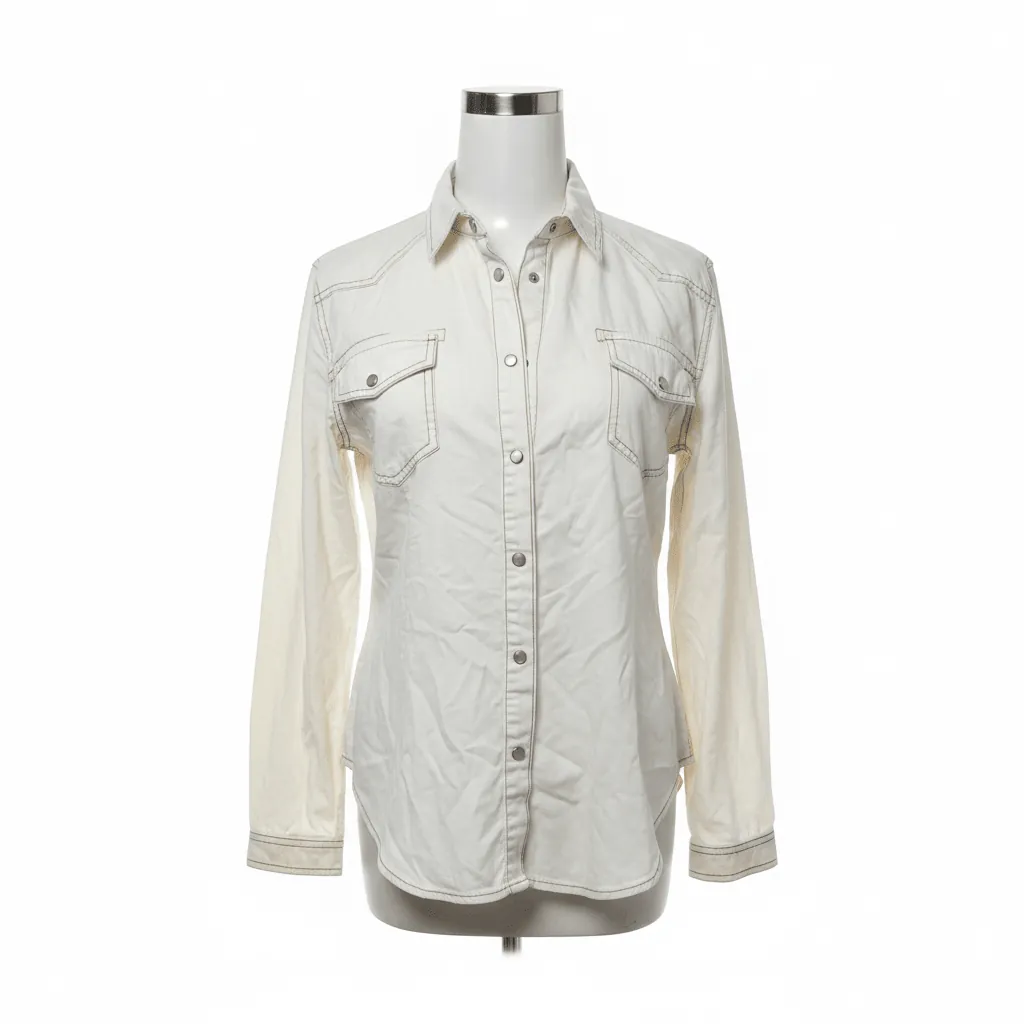
A quick fit checklist before you buy
Start with a comparable favorite from your closet. Measure it flat through the chest. Check the listing's armpit-to-armpit number, then compare shoulder width and length when the piece is structured, cropped, oversized, or meant for layering. Read the fabric and condition details. Finally, decide how you want to wear it: fitted, easy, tucked, layered, or loose.
This approach is especially helpful when browsing tops, sweaters and knits, and outerwear. It gives you a repeatable way to shop across brands and eras without expecting every label to behave the same. You are not looking for a perfect universal size. You are looking for a piece that works for you.
Compare like with like whenever you can
A sleeveless ribbed tank and a lined denim jacket may both have a 19-inch flat chest, but they are not interchangeable reference points. The tank may be designed to stretch and fit close to the body. The jacket needs room for arm movement, a shirt underneath, and the structure of the fabric. Match a listing with the most similar garment you own, then use the number as a practical check instead of a rule carved in stone.
Length deserves the same attention. A cropped top may feel right at one chest width and wrong at another because its hem lands at a different point. An oversized sweater can have a generous chest and still feel too short through the torso. If you are shopping for a dress, a longer top, or a jacket, measure from the highest point of the shoulder to the hem on your favorite comparable piece. That one extra number can save a lot of disappointment.
Know when to ask for another detail
Sometimes the armpit-to-armpit measurement is close enough to make your decision. Other times it points to one remaining question. If you have broad shoulders, ask about shoulder width. If you are choosing a fitted dress, ask about the waist or hips. If a piece is meant to sit at a specific place on your body, ask for length. Clear questions are useful because they tell the seller exactly what you are comparing.
It is also fine to pass when the information never gives you enough confidence. A one-of-one find can be tempting, but a piece you cannot picture wearing is rarely a bargain. The best wardrobes are built from clothes that get repeated, not from purchases that seemed interesting in the moment. A little patience makes the next yes feel much better.
Once you have used this method a few times, it becomes quick. You will start to recognize the chest width that feels easy in a sweater, the extra space a jacket needs, and the length that makes a top work with your favorite pants. That is the real benefit of a measurement check. It helps you shop with your own taste and comfort in mind, even when every piece comes from a different brand, year, or closet.
Keep the comparison generous when you are unsure. A garment that is only slightly roomier can often be styled with a tuck, a belt, or a layer. A garment that is too tight through the chest, shoulders, or arms gives you fewer options. Secondhand style works best when the clothes feel like an invitation to wear them, not a challenge to make them work.
Save the measurements from your best references somewhere handy. When a great listing appears, you can compare it in minutes instead of trying to remember how another brand fit. That little bit of preparation makes the hunt more enjoyable and helps your closet stay full of pieces you reach for.
Most importantly, trust what you already know about your favorite clothes. Their measurements, shape, and feel are useful information. Bring that confidence to each listing, and you will make choices that suit your body, your routines, and your personal style.
How Strut & Style makes fit easier to judge
A thoughtful secondhand purchase starts with being able to picture it in your own closet. Strut & Style curates one-of-one women’s pieces with clear photos, item details, and a direct way to ask about a find. If you are building an outfit from a standout top or layering piece, start with the full shop or browse women’s clothing bundles for ready-to-wear combinations.
For another smart shopping habit, read our guide to buying secondhand clothes online. A good measurement check does not take the personality out of the hunt. It simply gives the right piece a better chance of earning a place in your rotation.
Frequently asked questions
What does armpit to armpit mean?
Armpit to armpit, also called pit to pit, is the width of a garment measured flat from one underarm seam to the other. It describes the garment, not your full body circumference.
Do I double an armpit-to-armpit measurement?
Doubling a flat chest width gives a rough garment circumference, but it is usually more useful to compare the flat number with a top or dress you already own and like wearing.
Is armpit to armpit enough to check fit?
It is an excellent starting point for tops, dresses, jackets, and sweaters, but length, shoulder width, fabric stretch, waist shape, and your preferred fit can matter too.
How much room should I leave?
Use a favorite garment as your best reference. A fitted woven piece usually needs more room than a stretchy knit, and a layer meant for sweaters needs more room than a sleeveless top.
Keep reading
Related posts
Thrift shopping
How to Know Your Dress Size Without Measuring
Use a favorite dress and a few simple fit checks when a tape measure is not handy.
Read the guide →Thrift shopping
How to Buy Secondhand Clothes Online
Check fit, condition, photos, and policies before choosing a one-of-one piece.
Read the guide →