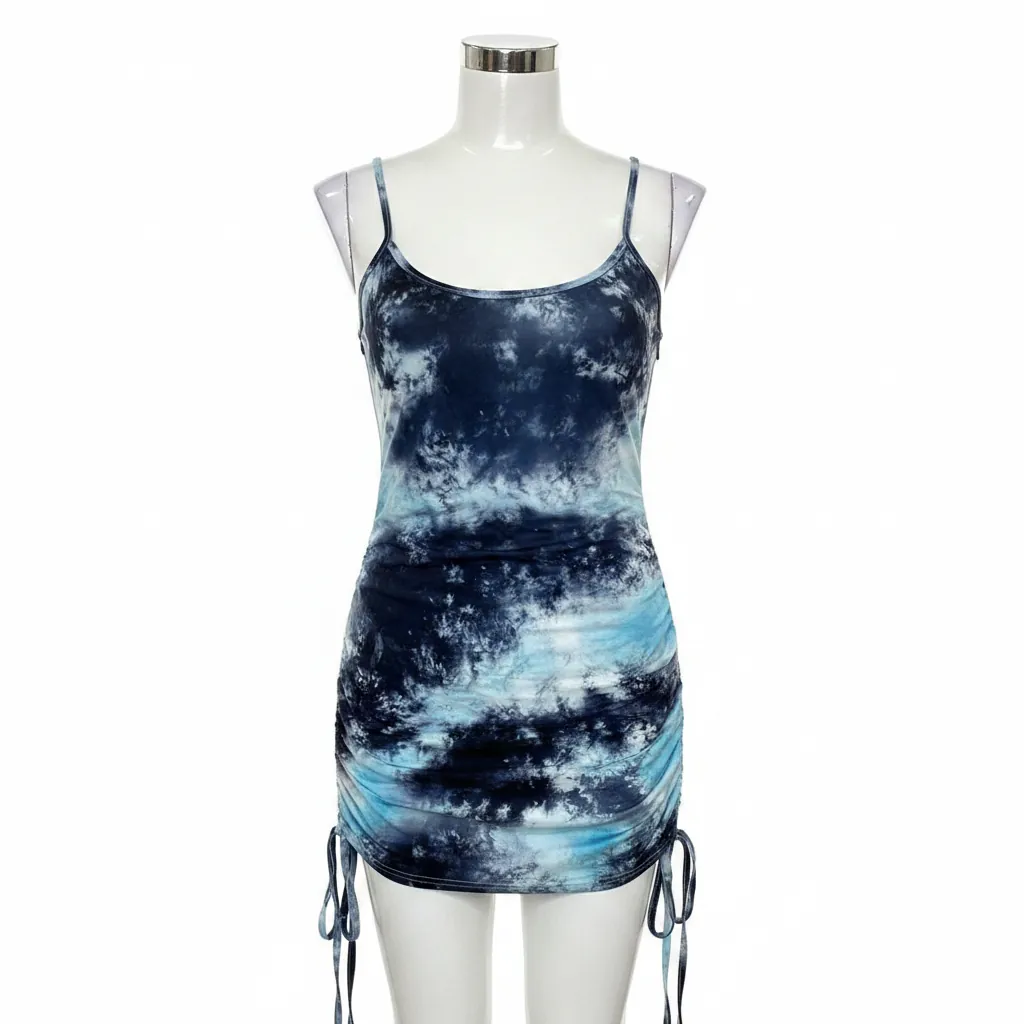
A missing tape measure does not have to end a promising secondhand find. It just means you need a better reference than the size on a tag. Dress sizes vary from brand to brand, and they vary even more with vintage pieces, different fabrics, and different silhouettes. A favorite dress from your own closet can tell you far more than a number you have not worn before.
The goal is not to guess your exact size. It is to understand the amount of room you need through the bust, waist, hips, and length, then compare that with the piece you are considering. A few calm checks can make online thrift shopping feel less like a gamble and more like the thoughtful wardrobe-building it should be.
Start with the dress that already works
Choose a dress that fits in the way you want the new one to fit. It does not need to have the same label or even the same fabric. What matters is that you understand how it feels when you wear it. Is it close through the waist? Does it skim the hips? Can you raise your arms easily? Does it have stretch? Those answers make the comparison useful.
Lay the dress flat and smooth it gently. Measure across the bust at the underarm, across the waist at its narrowest point, and across the hips at the fullest point if the skirt is fitted. Measure the length from the top of the shoulder to the hem. These are garment measurements, so compare them with another garment measured the same way rather than directly with your body.
If you do not own a tape measure, use string, ribbon, shoelace, or a phone charger. Mark the length with your fingers, lay it against a ruler, and write the number down. It is simple, but it works. You only need enough accuracy to recognize whether a listed dress is close to your favorite or several inches away in a place that matters.
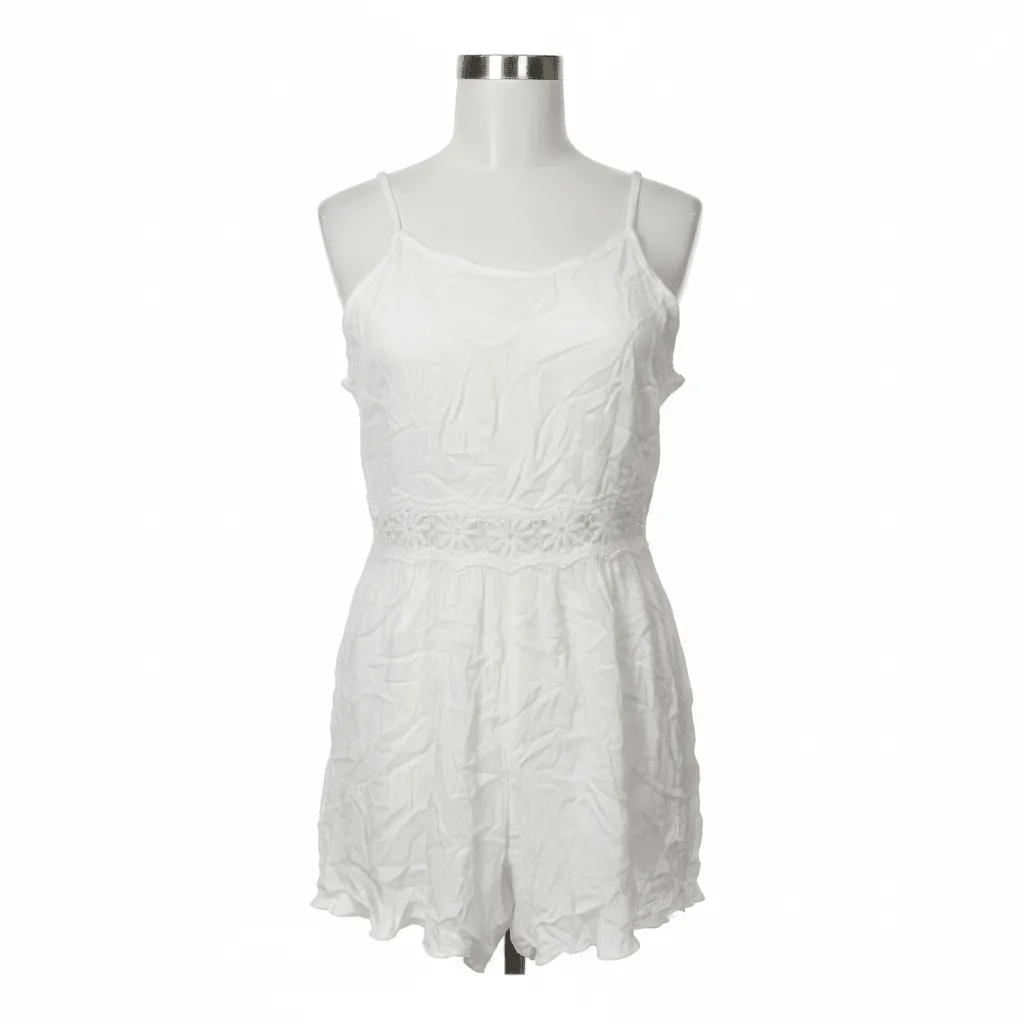
Use a string when you need your own reference
If you do not have a comparable dress, a string can stand in for a measuring tape. Hold it around your bust, natural waist, or hips over light clothing, keeping it comfortably snug rather than tight. Pinch or mark where the ends meet, then measure the string with a ruler. This gives you a rough body measurement you can use as a guide.
Remember that a dress needs ease. Ease is simply the room between your body and the garment that lets you sit, breathe, move, and feel like yourself. A stretchy jersey dress may need very little extra room. A woven cotton, denim, satin, or lined piece usually needs more. If the listing provides flat measurements, double the listed width for a rough circumference, then compare it thoughtfully with your own reference.
Do not expect every number to line up perfectly. If your bust points to one size and your hips to another, the fitted part of the dress deserves the most attention. A loose shift dress gives you more flexibility. A bodycon dress, button-front style, or fitted waist needs a closer match. The shape tells you where the decision is most important.
Let the silhouette guide the fit check
A-line and fit-and-flare dresses are usually more forgiving through the hips because the skirt opens below the waist. Shift dresses can offer easy room through the middle, but shoulder width and bust still matter. Wrap dresses may give some flexibility, although the neckline and waist tie need to stay secure. Smocked or elastic-backed dresses have stretch built in, while a tailored sheath has much less room for error.
Look closely at closures, too. A side zip, a row of buttons, a fixed waist seam, or a fully lined bodice can change how a piece feels on. If a dress has a zipper but no stretch, do not rely on a label that says your usual size. Compare the garment measurements with a dress you can zip comfortably. If it is supposed to be relaxed, compare it to something relaxed.
Check fabric before you decide how close is close enough
Fabric changes the meaning of every measurement. Knits, ribbed pieces, and fabrics with elastane can stretch. Structured denim, crisp cotton, woven rayon, and lined polyester often have little give. A floaty dress may fit through the bust but move easily through the hips. A fitted knit may look small on the hanger but settle comfortably once worn.
Photos can help you spot this. Look for ribbing, gathering, elastic panels, darts, lining, a defined waistband, or a fabric that holds its shape away from the body. Read the listing details and condition notes. A garment that has already been worn or washed may not match the measurements of a new version from the same brand, which is another reason to trust the listed garment more than an old size chart.
When you are between two possibilities, ask which choice lets you wear the dress the way you pictured it. If you want an easy daytime piece, a little extra room can be lovely. If you want a sleek fitted look, match the bust and waist more closely but make sure the fabric and closure support that choice. The best size is the one that serves the outfit, not the number that sounds most familiar.
Make the listing work harder for you
A good listing gives you more than a tag. Use the photos to assess length, neckline, straps, sleeves, and where the waist sits. Compare those details to the dresses you reach for most. A mini dress can look very different depending on your height and torso length. A midi can land at the calf on one person and at the ankle on another. Length is personal, so measure a dress you love and use that as your benchmark.
For a piece you hope to layer, include the layer in your thinking. A slip, shapewear, tights, or a lightweight top underneath can all change the amount of room you need. For cooler weather, a dress worn with a cardigan may not need extra space, but a sleeveless dress meant over a blouse might. It is easier to enjoy a thrifted find when you have imagined its real role in your wardrobe.
A five-minute decision routine
First, choose a favorite dress with a similar fit. Second, compare flat bust, waist, hip, and length measurements. Third, read the fabric and look for stretch, lining, or a fitted closure. Fourth, check the photos for silhouette and proportions. Finally, picture the exact occasion and shoes you would wear with it. If the piece still makes sense after those checks, you are making an informed choice rather than hoping the label will solve everything.
This routine also helps when browsing dresses and jumpsuits or building a look from the new arrivals. It gives you a way to enjoy the surprise of one-of-one shopping while still paying attention to the practical details that make a garment wearable again and again.
Use your favorite dress as a real-world size chart
A brand size chart can be useful, but it cannot tell you how an individual pre-loved dress has softened, stretched, or been altered. Your own closet can. Choose the dress you grab when you want to feel put together without fuss. Notice its fabric, its shape, and how close it sits through the body. That familiar reference is often more valuable than an unfamiliar size label.
Keep a short note in your phone with the flat bust, waist, hip, and length measurements of two or three favorites: one fitted, one relaxed, and one that works for a special occasion. You do not need to turn shopping into homework. A few notes simply give you a personal baseline whenever you spot a one-of-one piece online. Over time, you will learn the measurements that feel most like you.
Give yourself room for the way you actually move
Fit is not only about standing still in front of a mirror. Think about sitting down, reaching for a bag, having dinner, dancing, or wearing a layer underneath. If a dress will be part of a long day, comfort deserves a place in the decision. A little ease at the waist or hips can make a garment feel much more wearable, especially when the fabric does not stretch.
There is no prize for choosing the smallest number on a tag. A dress that allows you to move, breathe, and forget about adjusting it usually becomes a favorite. If the measurements are on the edge and you are unsure, pause and compare again with a piece you already know. The right find should make getting dressed easier, not leave you negotiating with it every time you wear it.
With practice, this becomes a simple habit rather than a big decision. You will know which details matter most for the shapes you love, and you will be able to spot when a dress is likely to suit your wardrobe. That confidence lets you enjoy the discovery of secondhand shopping while keeping your purchases intentional, useful, and ready for real life.
It can also help to compare a listing on a day when you are not feeling pressured to decide. Save the measurements, return to your favorite reference dress, and look again later. A good fit is easier to see when you give yourself space to think about how the piece will actually live in your closet, not only how it looks in a photo.
Small details add up. A familiar neckline, a waist placement you already enjoy, and a length that works with shoes you own can be just as useful as a size label. Use those clues together, and the right choice becomes much easier to recognize.
How Strut & Style helps you choose with confidence
Great secondhand style should feel personal, not uncertain. Strut & Style brings together pre-loved pieces with real outfit potential, clear product photos, and an easy way to ask about an item before you decide. Browse the full shop, explore finds under $20, or see how ready-made pieces work together in women’s clothing bundles.
For a second fit tool, our armpit-to-armpit measurement guide explains how to compare tops, sweaters, jackets, and dresses with a favorite garment from your closet. A little preparation leaves more room for the fun part: finding something that feels like it has been waiting for you.
Frequently asked questions
Can I figure out my dress size without a tape measure?
Yes. A well-fitting dress you already own is the best starting point. You can compare its flat measurements to a listing, or use string and a ruler to make a temporary measuring tool.
Why does my dress size change between brands?
Brands use different fit models, fabric choices, and sizing standards. Vintage and pre-loved clothing may also have changed shape over time, so garment measurements are more dependable than a tag alone.
Should I size up for a non-stretch dress?
When you are between sizes, a non-stretch woven dress generally needs more room than a stretchy knit. Check the bust, waist, hips, and the dress silhouette before deciding.
What if the listing has no measurements?
Use the photos, fabric details, tagged size, and cut as clues, then contact the seller if you need a key measurement before making a one-of-one purchase.
Keep reading
Related posts
Thrift shopping
Armpit-to-Armpit Measurements: A Simple Fit Guide
Use flat garment measurements to compare a listing with a favorite top at home.
Read the guide →
Thrift shopping
How to Wash Thrifted Clothes Without Ruining Them
Care for a pre-loved piece before its first day in your rotation.
Read the guide →