A thrift-store smell can be oddly specific. It may be a little musty, heavily perfumed, smoky, or simply like a closet that has been closed too long. The important thing is not to assume every secondhand garment needs the same fix. A sturdy cotton tee and a lined vintage blazer may both have an odor, but the care they can safely take is completely different.
The best approach is calm and practical: inspect the piece, read its label, start with the least aggressive effective step, and fully dry it before deciding what comes next. That protects the reason you bought it in the first place. You are trying to keep a good piece in your rotation, not prove that it can survive the harshest laundry routine.
1. Identify the fabric before you treat the smell
Before you reach for a detergent, spray, soak, or anything from the pantry, look at the garment itself. Find the care label if it still has one. Notice whether it is lightweight and washable, heavily lined, stretchy, embellished, woolen, leather, suede, or structured. Check for loose seams, discoloration, fragile trim, and areas where the fabric already feels weak. Odor can be annoying, but damage is harder to undo.
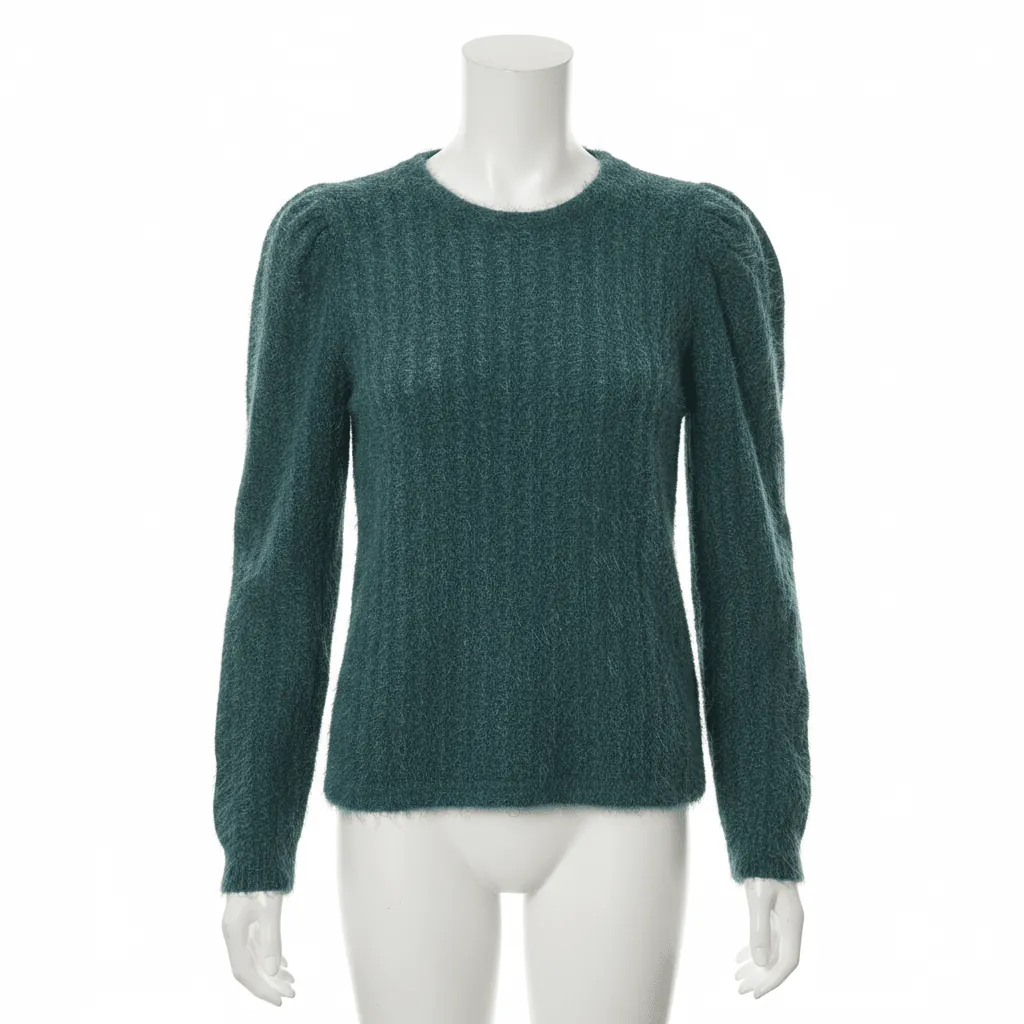
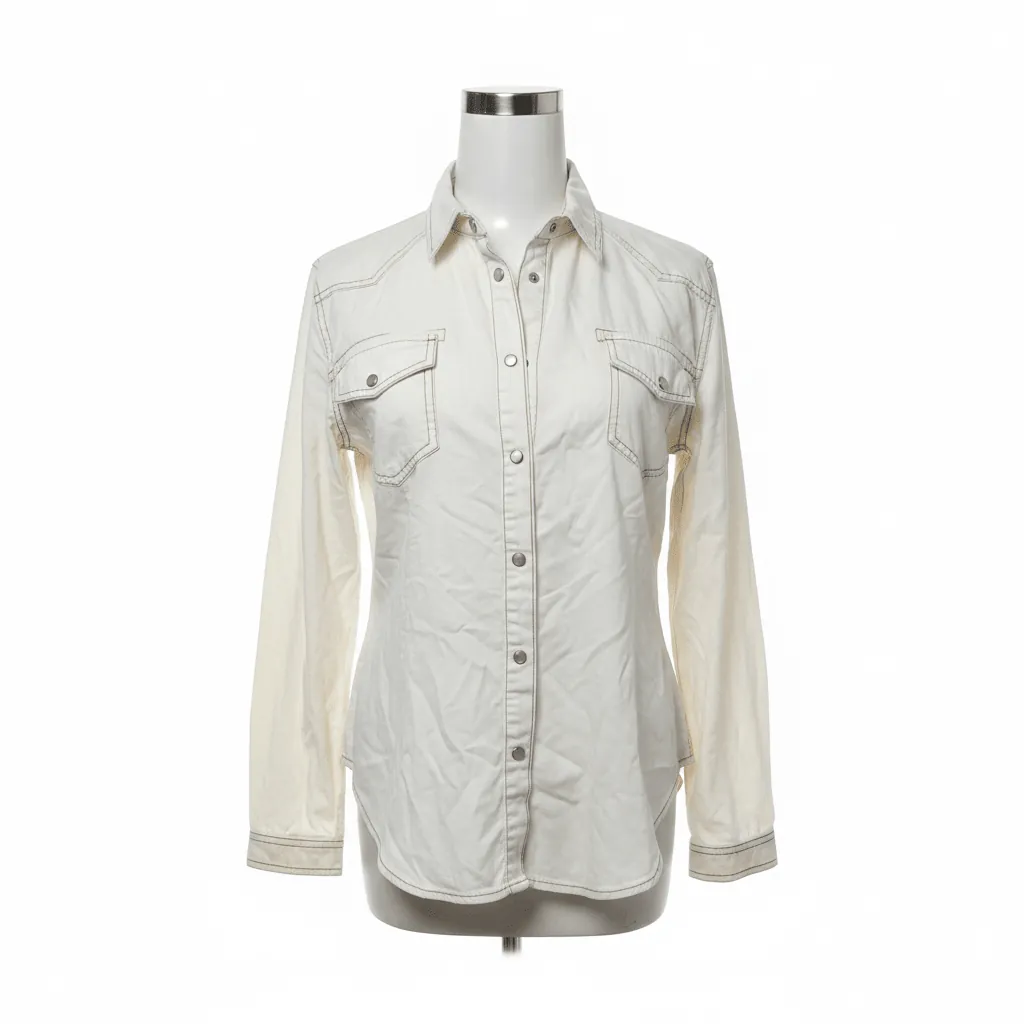
Washable everyday fabrics such as cotton, many denim pieces, and simple polyester blends can often start with a normal gentle laundering routine. Knits deserve more restraint because agitation and heat can change their shape. Silk, wool, leather, suede, dry-clean-only pieces, and garments with delicate beading or glued details belong in a different category. Airing or professional care may be the better move for those pieces.
The American Cleaning Institute advises sorting thrifted clothing by fabric type before washing, then using the care label to choose the safest setting. That simple pause prevents a common mistake: treating a mixed haul like one load of ordinary laundry and discovering later that the one special piece did not agree with it.
2. Air it out first when the smell is light
If the odor is faint and the garment is not visibly soiled, begin with fresh air. Hang it in a dry, shaded, well-ventilated spot and give it room around the fabric. A crowded closet will not do much. The goal is to let trapped scent disperse without adding heat, moisture, or friction before you know what the piece needs.
A short airing is especially useful for outerwear, lined items, and pieces that cannot be casually tossed in the machine. Turn the garment inside out if the inside smells stronger, and let both sides have time exposed to moving air. Fresh air is not a magic cure for every odor, but it is a low-risk first check. Sometimes a storage smell fades once the garment is no longer sealed in a bag, box, or packed rack.
Be thoughtful with direct sun. Sunlight and air can help freshen fabrics, but bright sun can fade darker colors and affect delicate fibers over time. If you are airing a vivid knit, black top, or vintage item, shade is the safer choice. Save strong sunlight for situations where the fabric and color can handle it, not as the default answer for every find.
3. Wash washable pieces with a simple, fabric-safe routine
When a garment is machine washable, choose the gentlest setting that still makes sense for the fabric. Separate lights from darks, close zippers and hooks, and turn printed, dark, or denim pieces inside out. A small load is kinder than an overstuffed one because clothes have room to move without scraping against hardware or tangling into one heavy knot.
Use detergent according to its directions. More is not automatically better. Too much product can leave residue behind, which is frustrating when you are trying to remove a smell rather than add another layer of it. Cool water is a sensible starting point for many pieces, but the care label wins. If a garment needs warmer water to clean properly and the label allows it, follow the label instead of a one-size-fits-all rule.
A recent Washington Post odor-care guide notes that an extra rinse can help remove residual product and soil from washable garments. It is a modest step, but it is often more sensible than immediately escalating to a powerful treatment. Once the wash ends, take the piece out promptly and smell it only after it is completely dry. Damp fabric can smell different from dry fabric, so judging too early can make you repeat work that was not necessary.
4. Treat a stronger odor as a second step, not a pile-on
When a normal wash has not fully solved the issue, slow down instead of combining every online remedy in one go. The smell may come from old fragrance, smoke, storage, body oils, or residue, and different fabrics react differently. One careful next step lets you see what is helping. Five products at once make it harder to know what caused fading, stiffness, a new scent, or a damaged finish.
For a washable garment, a second wash using the care label as your guide may be reasonable. You can also choose a laundry product designed for odor removal if it is appropriate for the fabric. If you consider vinegar or another household treatment, check the garment first, keep the treatment modest, and never mix products. Bleach, ammonia, and acidic cleaners are not a casual combination. A one-of-one piece is not the place to experiment.
Spot testing matters when you are uncertain. Try a small hidden area, let it dry, and look for color change, texture change, or residue before treating the entire garment. This is particularly important with dark colors, vintage fabrics, fragile prints, and anything with stretch or trim. If the piece feels too special to risk, that is useful information. Choose a professional cleaner or leave it alone rather than turning a manageable smell into a permanent problem.
5. Give delicate and structured pieces their own plan
A tailored jacket, leather layer, suede item, heavily embellished top, or older garment with delicate construction should not be handled like everyday laundry. Review the label, inspect the lining and closures, and avoid soaking, wringing, or high heat unless the garment specifically allows it. The goal is to preserve the shape, surface, and details that made the piece worth choosing.
For an item that cannot be washed, airing it out in a dry space is a sensible first move. A professional cleaner can advise when a lingering odor is strong or the garment has sentimental, resale, or higher value. That cost is not always necessary, but it can be worth considering for a piece you genuinely love. Sometimes the right decision is simply to pass on an item that needs more restoration than you want to take on.
This is also why photos and descriptions matter when you shop online. A few minutes spent checking fabric, structure, and condition can prevent an impulse purchase from becoming a care project. Our guide to buying secondhand clothes online walks through what to check before a one-of-one piece arrives at your door.
6. Dry completely, then decide whether the odor is gone
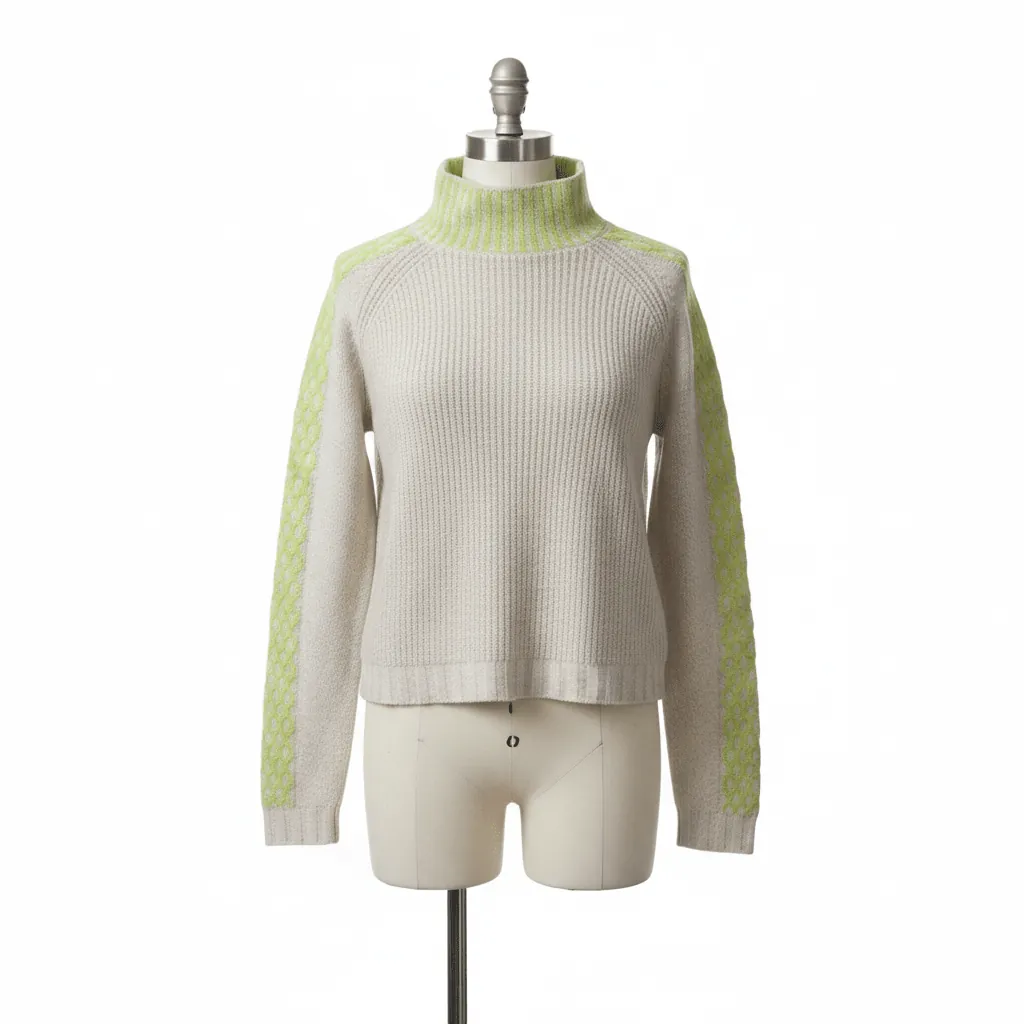
Do not rush this part. Let the garment dry fully in the way its fabric prefers. Hang shirts, dresses, and jackets on a supportive hanger when appropriate. Lay sweaters and heavy knits flat so damp weight does not stretch the shoulders. Keep the piece out of a drawer or closet until it is completely dry, because trapped moisture can create a new stale smell.
Once dry, give it a calm second look. Does it smell clean in open air? Does the fabric still feel soft and look like itself? Did any color transfer, shrinkage, or texture change appear? If the odor is gone, you are done. If it has improved but remains faint, a little more fresh air may be all it needs. If it is unchanged after careful, fabric-safe care, consider whether a second treatment or professional help is truly worth it.
There is no prize for forcing every thrifted find to work. The best secondhand pieces are the ones you can clean, style, and wear with ease. When you build that kind of closet, the occasional complicated garment is less tempting because you know what a genuinely wearable find feels like.
7. Know when to stop and protect the piece
It is easy to become determined when a garment is almost there. Maybe it was a great price, the color is perfect, or you have already spent an afternoon trying to freshen it. That is exactly when it helps to set a boundary. If the fabric is becoming stiff, the color looks different, the smell is not changing, or the care process is starting to feel improvised, pause. Continuing out of frustration rarely improves the result.
Think about what made the item appealing before you brought it home. Was it the cut, the texture, the unusual detail, or the way it completed an outfit in your head? Those qualities deserve protecting. A pre-loved garment does not need to become pristine to be worth wearing. A small sign of age can be part of its character. What matters is that the piece feels clean, comfortable, and like something you will reach for, not like a project that keeps demanding more effort.
For an item you love, professional care can be the sensible next step. For a low-cost basic that still carries a strong odor after cautious care, passing it along may be the more practical choice. Neither decision means you failed. It means you are shopping secondhand with clear eyes and making room for the pieces that are ready for their next chapter.
How Strut & Style helps you shop with confidence
Every pre-loved piece has its own details, so confidence comes from looking closely and choosing what fits your life. Strut & Style keeps the closet focused on one-of-one finds with personality, from easy tops to pre-loved outerwear and small outfit bundles. Review the photos and listing details, then reach out before purchasing if a specific piece needs a closer look.
When you are ready to browse, start with the full closet, look through sweaters and knits, or see what is waiting in finds under $20. For another practical care step, our guide to washing thrifted clothes covers fabric checks, gentle cycles, and drying without losing the shape of a favorite find.
Frequently asked questions
Why do thrifted clothes sometimes have a strong smell?
A secondhand piece can carry old fragrance, smoke, storage odors, body oils, or detergent residue. The source is not always obvious, so it is smarter to start with a gentle cleaning method that matches the fabric than to use every odor remedy at once.
Can I remove thrift store smell without washing the garment?
Sometimes airing a garment in a dry, well-ventilated place helps, especially with a light storage smell. For a lingering odor, washable items usually need laundering. Delicate, leather, suede, structured, or dry-clean-only pieces need a fabric-safe alternative or professional care.
Will vinegar remove thrift store smell from clothes?
Vinegar can be useful for some washable fabrics, but it is not a universal answer. Read the care label, avoid mixing cleaning products, and stop if a garment reacts poorly. A second gentle wash and a complete air-dry are often a better next step than a stronger treatment.
What if the smell is still there after washing?
Let the piece dry completely and air out before deciding it needs more work. If the odor remains, consider a second careful wash only when the fabric can handle it, or professional cleaning for a valuable or delicate item. It is okay to pass on a piece that needs more restoration than it is worth.
Keep reading