
Bringing home a thrifted piece is exciting right up until you wonder what happened before it landed in your closet. The answer is not to throw every garment into the hottest wash cycle and hope for the best. That is a quick way to shrink a favorite knit, fade denim, or damage a delicate detail you did not notice at first.
How to wash thrifted clothes starts with the same question that makes any secondhand purchase worthwhile: what is this piece made of, and what will help it keep doing its job? A soft tee, a structured jacket, a lace-trimmed dress, and a wool sweater need different care. Slowing down for a few minutes gives a pre-loved find a clean beginning without asking it to survive more than it should.
This guide will help you inspect a piece, choose a sensible cleaning method, handle common concerns without overdoing it, and get it ready for regular wear. The goal is simple. You want your new find to feel fresh, comfortable, and ready to become part of the outfits you actually repeat.
1. Inspect the piece before you wash it
Start with a close look in good light. Check the neckline, underarms, cuffs, hems, seams, closures, and any lining. You are looking for stains, pulled threads, loose buttons, missing hooks, pilling, or fabric that feels thin in high-wear spots. This is not about hunting for flaws until you talk yourself out of a piece you like. It is about knowing what needs gentle handling before water, heat, and movement get involved.
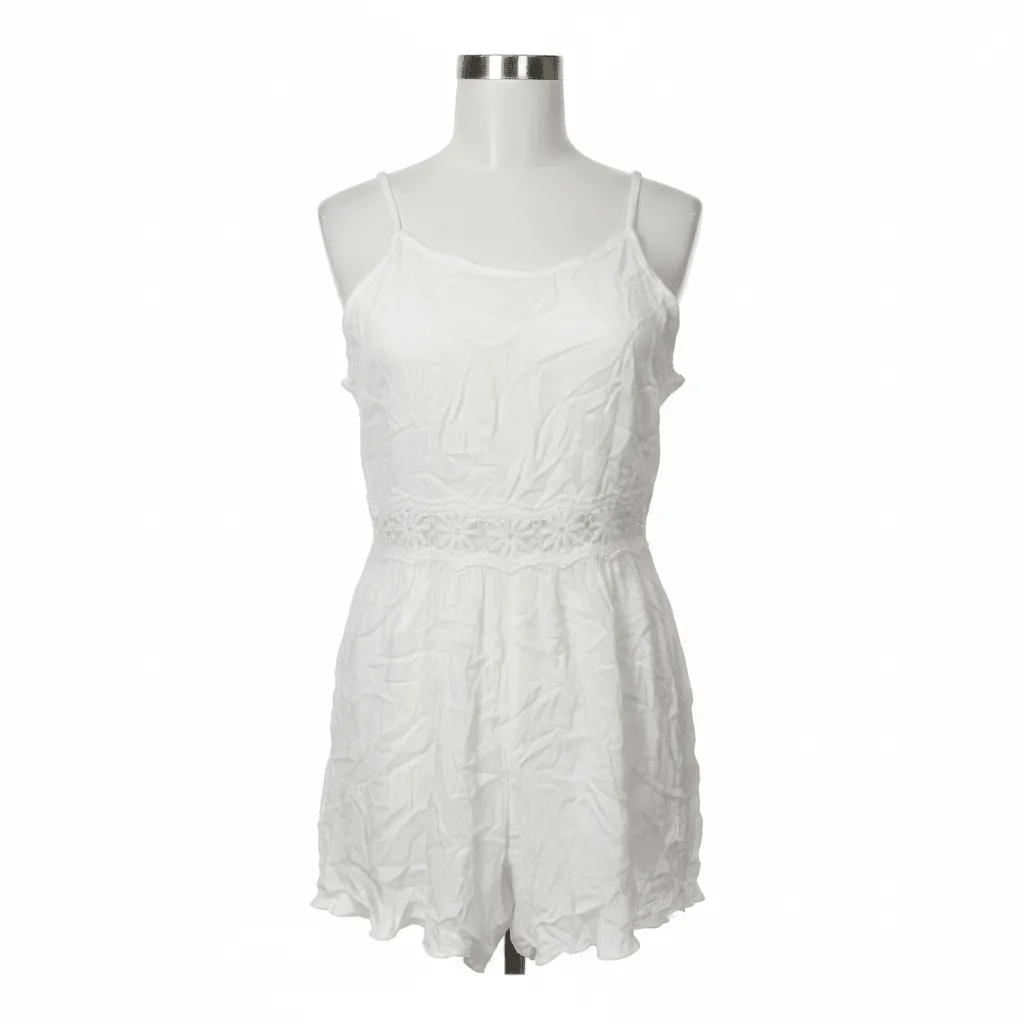
Pay special attention to details that can catch or distort in a machine. Lace, mesh, beading, metallic thread, decorative ties, shoulder pads, and loose embellishments all deserve a slower decision. Turn pockets inside out, empty them, and close zippers or hooks so they do not snag another part of the garment. If a button already feels loose, sew it on before washing rather than hoping it stays put.
Give the garment a quick smell, too. A light closet scent or a little mustiness is not unusual with pre-loved clothing. Strong odors, visible mildew, or a stain you cannot identify call for more caution. Do not combine a questionable piece with the rest of your laundry until you have decided on its care plan.
2. Let the care label lead when it is there
A care label is the best starting point because it is written for that garment's fabric, trim, and construction. It gives you a useful first instruction: machine wash, hand wash, dry clean, tumble dry, line dry, or avoid certain treatments. The National Park Service's guidance on caring for textiles is a useful reminder that heat, light, moisture, and rough handling can all shorten the life of a delicate fabric.
When the label says dry clean only, take it seriously. That usually means the garment has a fabric, dye, lining, structure, or detail that may not hold up well to home washing. A formal dress, tailored blazer, leather-trimmed piece, wool coat, or older garment with a delicate feel is not the moment for a bold experiment. Put it aside and decide whether professional care makes sense for how much you will wear it.
If the label says machine washable, read the whole line rather than only the first word. Temperature, gentle-cycle instructions, and drying guidance all matter. Cool water and a gentler cycle are often kinder to color and shape than a hot, fast wash. For a basic cotton or synthetic piece, following those details is usually enough to get it ready without making laundry complicated.
No label? Treat that as a reason to be conservative, not a reason to panic. Look at the fabric and construction. A simple cotton jersey top can often handle a careful wash. A lined skirt, silk-like blouse, heavy knit, suede detail, or unusually structured piece deserves a spot test, a hand wash, or professional advice. When in doubt, choose the method that asks the least of the garment.
3. Sort by fabric and color, not by where you found it
Thrifted clothes do not need a special mystery cycle. They need the same thoughtful sorting that helps any wardrobe last. Keep lights and darks apart when possible, especially for the first wash. A rich denim blue, dark red, or bright black piece may release color, and a new-to-you garment is not where you want to learn that lesson on a favorite white tee.
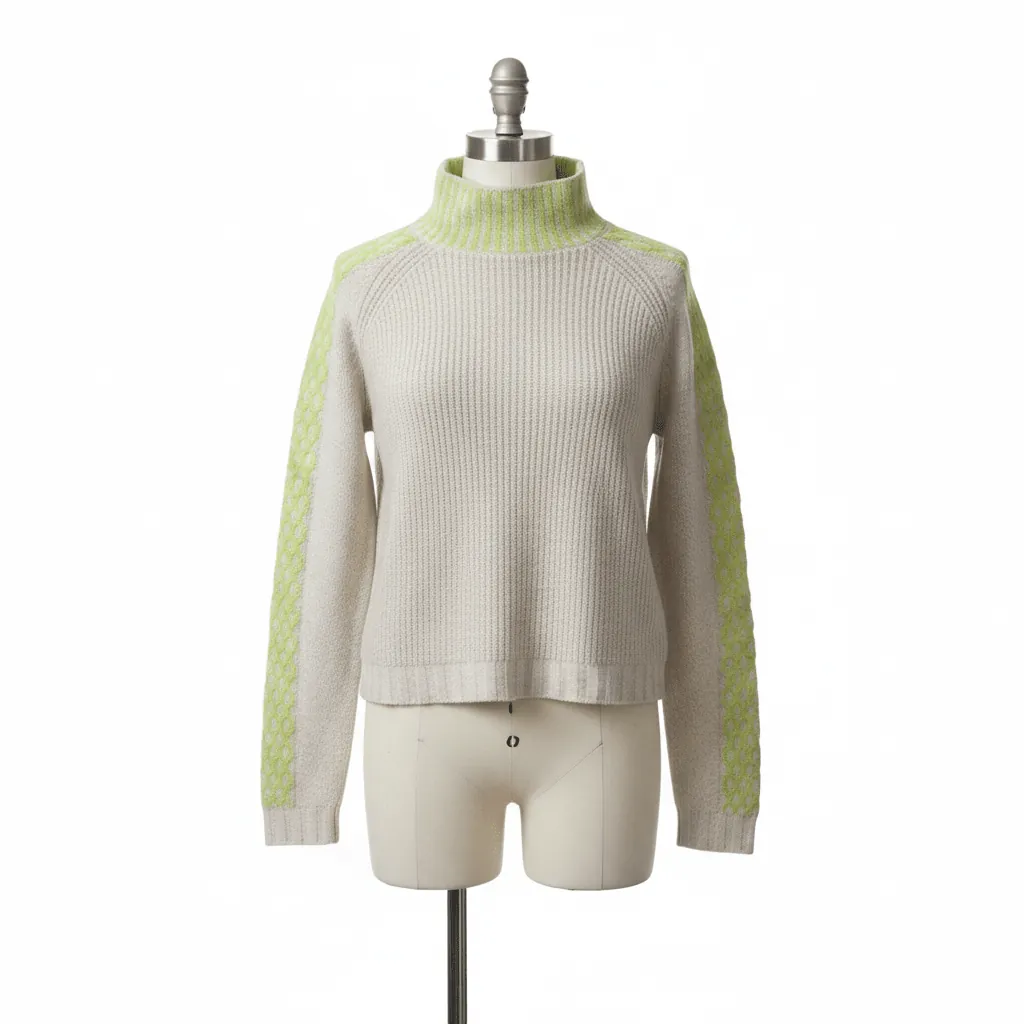
Group sturdy washable pieces together, such as cotton tees, casual tops, and denim. Put delicate fabrics in their own small load or a mesh bag if the care label allows machine washing. Wash sweaters only with other soft items, and avoid pairing them with towels, jeans, or hardware that can create friction. A gentle detergent and a smaller load give water room to move without twisting everything into one knot.
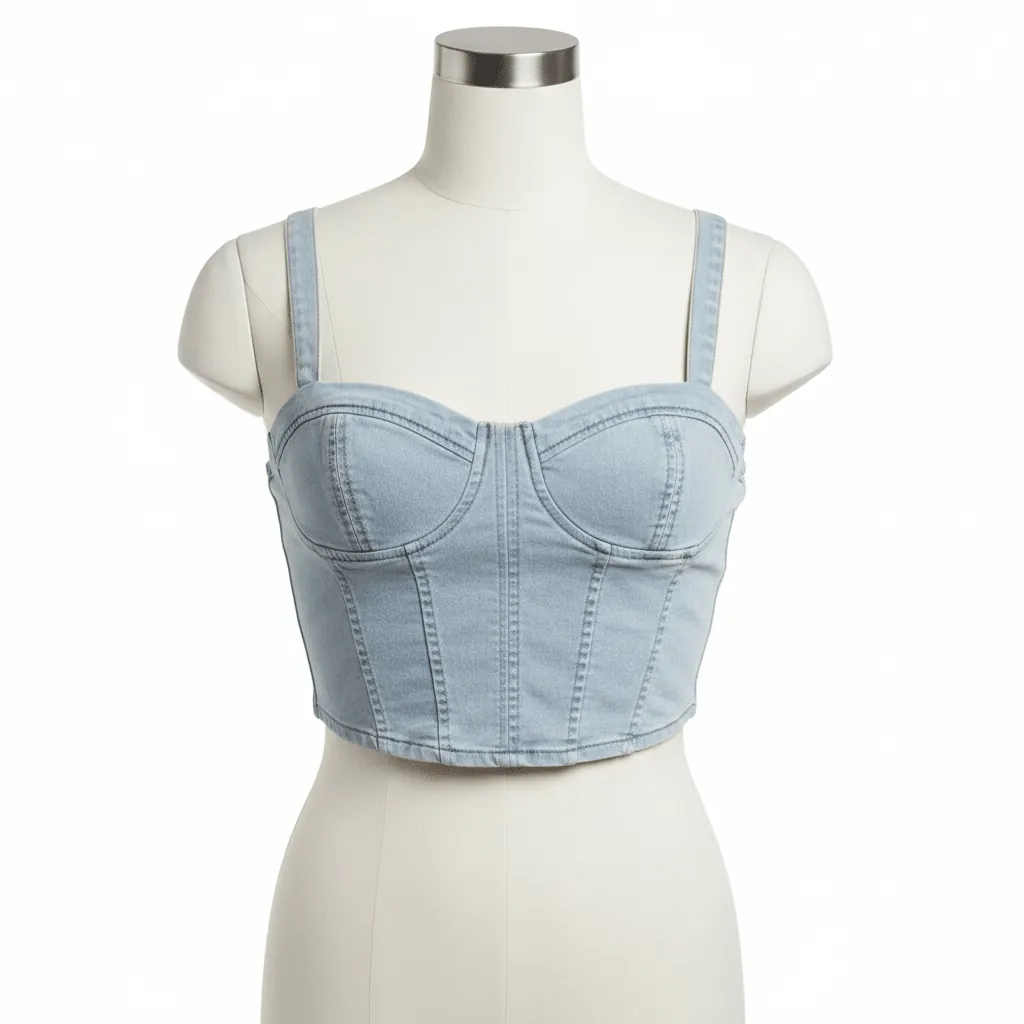
For denim, turn the piece inside out before washing. This helps protect the visible surface and can reduce fading from rubbing against the machine drum or other garments. For a simple secondhand top, closing hooks and zippers, turning it inside out, and using a gentle setting is often all the preparation you need.
4. Choose the gentlest wash that will do the job
For most everyday thrift finds, cool water, a gentle cycle, and a modest amount of detergent are a strong default. You are cleaning a garment, not testing its limits. Hot water and harsh agitation can shrink fibers, stress elastic, set certain stains, and make colors look tired sooner. The care label remains the deciding factor, but gentler settings are often the safer choice when you are uncertain.
Hand washing is useful for lightweight knits, delicate trims, and pieces that feel a little too special for the machine. Use a clean basin with cool or lukewarm water and a small amount of gentle detergent. Let the garment move through the water without scrubbing, twisting, or wringing it. Rinse until the water is clear, then press the water out carefully. A clean towel can help absorb moisture without pulling the piece out of shape.
A laundry bag is worth using for smaller delicate pieces when the label permits machine washing. It will not make every garment machine safe, but it can reduce snagging and stretching for items that are already approved for a gentle cycle. Close the bag without cramming it full, then give the piece room to move. A crowded bag or overflowing machine defeats the point.
Skip the urge to add every cleaning product at once. Strong fragrance, bleach, aggressive stain treatments, and too much detergent can leave residue or create a new problem. Start with the mildest practical approach. If a stain remains, you can reassess it after the garment is clean and dry instead of committing to a big treatment before you understand the fabric.
5. Handle stains and odors with a little patience
For a visible stain, identify the fabric first. Blot rather than rub, and test any treatment on an inside hem or another hidden area before applying it to the front of a garment. Rubbing can push a stain deeper into the fibers or rough up a delicate surface. If you do not know what caused the mark, avoid combining different products. A careful first attempt is better than a science experiment on a one-of-one piece.
Odors deserve the same restraint. Washing according to the care label, then allowing the garment to dry completely in fresh air, solves many everyday issues. A piece that still smells strongly after careful washing may need professional cleaning or may simply not be worth the extra work. You are allowed to walk away from a complicated project, even when the price was good.
It also helps to give a clean garment time to air out before you decide how it feels. Some fabrics can smell different when damp, and a scent trapped in a closet can be easier to judge once the piece is fully dry. The U.S. Environmental Protection Agency's textile data is a useful reminder that clothing has a material life beyond one owner. Caring for a piece well is more useful than treating it as disposable the moment it needs attention.
6. Dry in a way that protects shape and texture
Drying is where a careful wash can still go sideways. Heat and tumbling are tough on elastic, delicate fibers, and knits that lose their shape easily. Follow the label, and choose air drying when you are unsure. Hang structured shirts, dresses, and lightweight pieces on a supportive hanger. Lay sweaters and heavier knits flat on a towel or drying rack so the wet weight does not stretch the shoulders.
Do not put a garment away until it is completely dry. Damp fabric can hold onto a stale smell, and folded moisture is an invitation for trouble in a drawer. Let the piece cool and air out after drying, especially if you used a dryer as the label allowed. Then run your hand over the fabric, check the seams, and make sure it still feels like itself.
This is also a good moment for easy repairs. Snip a loose thread instead of pulling it. Sew on a button before it becomes an urgent problem. Use a fabric comb on light sweater pilling if the knit can handle it. A few minutes of simple care makes a pre-loved piece feel less like someone else's leftover and more like something you chose on purpose.
7. Make the first wear easy on yourself
Once a thrifted find is clean and dry, try it on with the clothes you already own. This is the real test. A washed knit may sit differently than it did on the hanger. A denim layer may feel softer after care. A dress may need a slip, a belt, or a different shoe than you pictured. Those small discoveries are useful because they turn an interesting purchase into a repeat outfit.
Start with a low-pressure plan, such as coffee, errands, dinner with friends, or a regular day out. If the piece is comfortable and easy to style, it has a real chance of becoming part of your rotation. If it needs constant adjusting or feels like a costume, it may still be a good find for someone else, but it does not need to earn a permanent spot in your closet.
The same thinking can guide your next browse. Our guide to buying secondhand clothes online helps with listing photos, condition notes, and fit before you purchase, while our thrift shopping tips cover how to spot pieces you will actually wear. Good care starts before checkout and continues when you decide a garment deserves another season.
How Strut & Style helps you shop with less guesswork
A one-of-one find should feel exciting, not risky. Strut & Style keeps the search focused with a curated selection of pre-loved women’s clothing, clear product photos, and a direct way to ask about a piece before you decide. That makes it easier to choose something you can picture wearing, caring for, and keeping in your regular rotation.
Browse the full shop, start with easy sweaters and knits, or look through finds under $20 when you want to try a new shape without a big commitment. The best secondhand piece is not just a good deal. It is the one that feels more useful every time you reach for it.
Frequently asked questions
Should I wash thrifted clothes before wearing them?
It is a sensible first step for washable pieces. Read the care label, inspect the garment, and use the gentlest method that fits the fabric. Delicate, structured, leather, suede, and dry-clean-only pieces need different care from a basic cotton top.
Can I put thrifted clothes straight in the washing machine?
Only after checking the care label and the garment itself. A sturdy cotton tee or denim piece may be machine washable, while lace, wool, silk, lined garments, and anything with fragile trim are better handled with a gentler method or professional cleaning.
How do I remove a thrift-store smell from clothes?
Start with washing or airing the garment according to its fabric needs. Do not use stronger treatments just to overpower an odor, especially on a delicate piece. If the smell remains after careful cleaning, decide whether professional help is worthwhile before wearing it.
What should I do if a thrifted item has no care label?
Use the most cautious reasonable approach. Look at the fabric, construction, lining, and trim. When you are unsure whether a piece can tolerate water, heat, or agitation, spot-test in an inconspicuous area or choose professional cleaning instead of guessing.
Keep reading
Related posts

Thrift shopping
How to Buy Secondhand Clothes Online
Check fit, condition, photos, and policies before you choose a one-of-a-kind piece.
Read the guide →
Thrift shopping
What Is Thrift Shopping? A Practical Beginner's Guide
Start with the basics, then learn how to spot finds you will actually wear.
Read the guide →